
Most car reliability rankings you’ll read in Australia are American surveys with a kangaroo pasted on top. That’s not a sin in itself. The problem is that nobody says so, and the brands Australians increasingly buy, from GWM to BYD, don’t appear in those surveys at all. So we went looking for what local data actually exists.
The short answer: no Australian body publishes fault rates by brand. Not the motoring clubs, not CHOICE, not government. What does exist is owner satisfaction data, national recall records and warranty terms. We’ve combined those three with the overseas surveys, labelled each for what it is, and drawn our own conclusions. Nobody paid to be included.
Which car brand is the most reliable in Australia?
On the evidence available, Toyota is still the safest bet, but no Australian dataset proves it outright. Toyota tops the latest US reliability survey from Consumer Reports, issued only four recall notices here in 2025 against 239,863 sales, and covers engines and driveline for seven years with Toyota servicing. Lexus, Toyota’s luxury arm, wins on owner satisfaction. The newer Chinese brands look promising, but they’re too young to judge.
That’s a narrower claim than most rankings make, and deliberately so. Reliability means how often a car breaks, and only a large survey of owners or a count of breakdowns can tell you that. Australia has neither in public, brand by brand. Each strand below measures something related, and none of them measures everything.
What do Australian owners say?
Owner satisfaction is the closest local proxy. Canstar Blue’s 2026 new car ratings surveyed 4,316 Australians on brands they’d bought in the past five years, scoring reliability alongside value, features and dealer service. Lexus won. Haval, Great Wall, BYD, Mercedes-Benz, Hyundai and Toyota followed in order of overall satisfaction.
At the other end, Suzuki, MG and Volkswagen sat near the bottom of the current list. Treat this as a measure of how happy owners are, not a fault count. A brand-new car that hasn’t had time to go wrong scores well, and the per-brand reliability scores weren’t viewable when we checked, so we haven’t quoted any.
Chinese brands lead that list, and Great Wall Motors won Canstar’s award outright in 2025. That’s a real signal about how owners feel in the first few years. It says nothing yet about year eight. Roy Morgan’s 2025 customer satisfaction awards named Subaru its major car manufacturer of the year, and Volvo its car manufacturer of the year overall.
Who recalled the most cars in 2025?
Ford, by a long way. Department of Infrastructure data, tallied by CarExpert in January 2026, shows Ford issued 26 recall notices in 2025 and recalled 110,362 vehicles. Across the market, 380,350 cars, SUVs and light commercials were recalled in 2025. We divided each big brand’s notices by its 2025 sales to make the comparison fairer.
Ford issued 26 recall notices in 2025, more than Hyundai, Kia, Mazda and Volkswagen combined, and recalled 110,362 vehicles. Toyota sold 2.5 times as many cars and issued four.
Our calculation. Recall notices: Department of Infrastructure data as tallied by CarExpert (January 2026); BYD and Isuzu Ute had no 2025 notices in that tally. Sales: FCAI VFACTS 2025, plus EVC data for Tesla. A notice can cover one car or 70,000 and spans many model years, so treat this as a signal, not a reliability score.
Read it with care. A recall notice can cover one car or tens of thousands, and it often spans several model years. One year also swings hard. BYD had no notices in the 2025 tally, then recalled 32,009 Shark 6 utes in September 2026 over a spare wheel that could detach. Isuzu had none in 2025 but recalled more than 186,000 vehicles in 2024.
What a recall does show is a maker finding and fixing a fault, which is better than not fixing it. A pattern across years matters more than a single total. Ford was second only to Kia in the 2024 tally, so the trend is worth noting if you’re buying a Ford. Check any car’s recall history before you buy.
What does warranty length tell you?
Warranty is a maker’s bet on its own product, but the longest ones come with strings. Kia, GWM and Chery offer seven years with unlimited kilometres outright. Mitsubishi, Nissan, MG, Ford and Hyundai stretch their cover only if you service at their dealers, which locks in a running cost for the life of the warranty.
| Brand | Standard warranty | Extended, with conditions |
|---|---|---|
| Toyota | 5 years, unlimited km | Engine and driveline to 7 years with Toyota logbook servicing |
| Ford | 5 years, unlimited km | 7 years with Ford dealer servicing (from 1 September 2026) |
| Mazda | 5 years, unlimited km | None |
| Kia | 7 years, unlimited km | None needed |
| Hyundai | 5 years, unlimited km | Up to 7 years with Hyundai dealer servicing (registered from 1 June 2025) |
| Mitsubishi | 5 years or 100,000km | Up to 10 years or 200,000km with Mitsubishi dealer servicing |
| MG | 7 years, unlimited km | Up to 10 years or 250,000km with MG dealer servicing (passenger cars) |
| BYD | 6 years or 150,000km | None; battery 8 years or 160,000km |
| GWM | 7 years, unlimited km | None needed |
| Chery | 7 years, unlimited km | None needed |
| Isuzu Ute | 6 years or 150,000km | None |
| Nissan | 5 years, unlimited km | Up to 10 years or 300,000km with on-time Nissan servicing |
| Subaru | 5 years, unlimited km | None |
| Tesla | 5 years, unlimited km | None; battery 8 years |
| Volkswagen | 5 years, unlimited km | None |
Sources: each manufacturer's Australian warranty page, checked 16 October 2026, except Ford (CarExpert, 9 September 2026). Some commercial and rideshare use is limited. Always read the terms for your car.
Factor the servicing into the sums. A dealer-only warranty is only good value if the capped-price servicing is reasonable, as our HiLux service cost breakdown shows. And a warranty is not your only protection. The ACCC says consumer guarantee rights may still apply after a warranty expires, because a car must be of acceptable quality for a reasonable time.
What do the overseas surveys say, and do they apply here?
They put Toyota and Lexus on top. Consumer Reports’ 2026 brand rankings, based on about 380,000 US vehicles, scored Toyota 66 out of 100, ahead of Subaru, Lexus, Honda and BMW. Mazda scored 43 and Volkswagen 42. J.D. Power’s 2026 US dependability study had Lexus at 151 problems per 100 vehicles, against an industry average of 204.
Use them with care. They survey US-market models, which often differ in engine, gearbox and build plant from ours. And they skip the newer arrivals entirely. GWM, BYD, MG, Chery and Isuzu Ute, which together sold about 223,700 new vehicles here in 2025, appear in neither survey. That’s roughly 18 per cent of the Australian market with no long-term data at all.
One US finding travels well. Consumer Reports says hybrids have about 15 per cent fewer problems than petrol or diesel cars, while EVs and plug-in hybrids have about 80 per cent more. If you want the best odds, a mature hybrid from an established maker is where the data points. Our guide to Chinese-built cars under legacy badges covers the grey zone.
Does the way you drive change the answer?
Yes, more than the badge does. A modern diesel needs regular highway running to clean its particulate filter, so a diesel ute on Melbourne school runs is a worse bet than the same engine crossing the Nullarbor. Even Toyota isn’t immune: it has agreed to a $750 million settlement of class actions over particulate filters in HiLux, Prado and Fortuner models, subject to Federal Court approval.
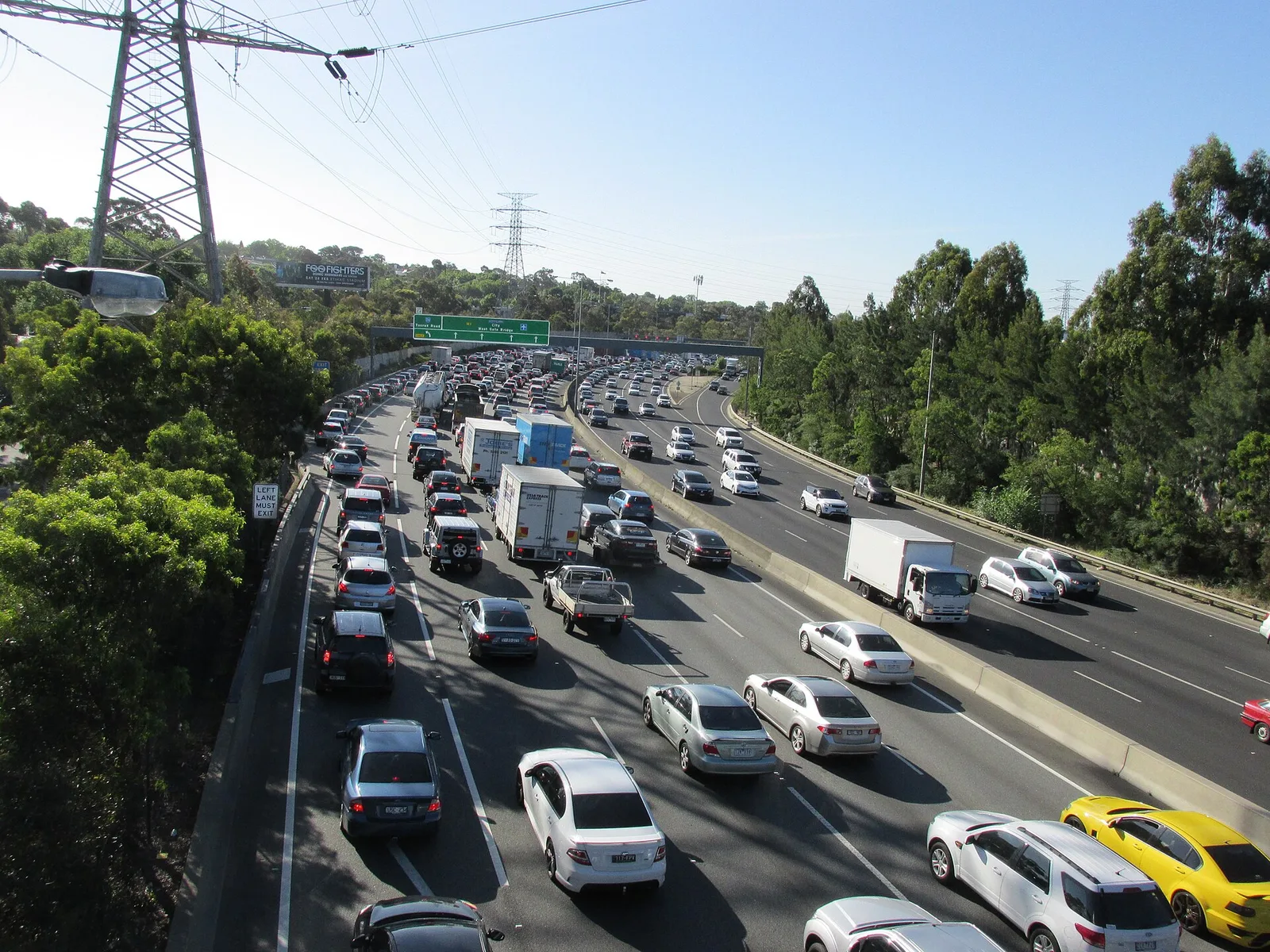
Short urban trips suit a hybrid, which is why the Corolla and RAV4 hybrids make so much sense in the suburbs. Long remote touring rewards simple mechanicals and a dealer network along your route. Different jobs, different answers. A CVT-equipped city car that suits a commuter may not suit a caravan, whatever its badge.
How to buy a reliable car in practice
Pick the model, not the brand. Every maker builds good and bad cars, and the averages above hide big spreads. Before you sign, run through four checks that use the data you can actually get, rather than the ranking you wish existed. They work for new and used cars alike.
- Search the federal Vehicle Recalls site for the exact model and years, and check every recall has been done.
- Read the warranty conditions, and price the dealer servicing they require over the full term.
- For a used car, insist on a full service history and a pre-purchase inspection.
- Favour a model that has been on sale for a few years over an all-new one, whatever the badge.
Buying used on a budget? Our best first cars under $10,000 and OBD2 used-car inspection guide put those checks into practice. The most reliable car you can buy is a proven model with a full history, bought from someone who looked after it, and that’s still most often a Toyota.