
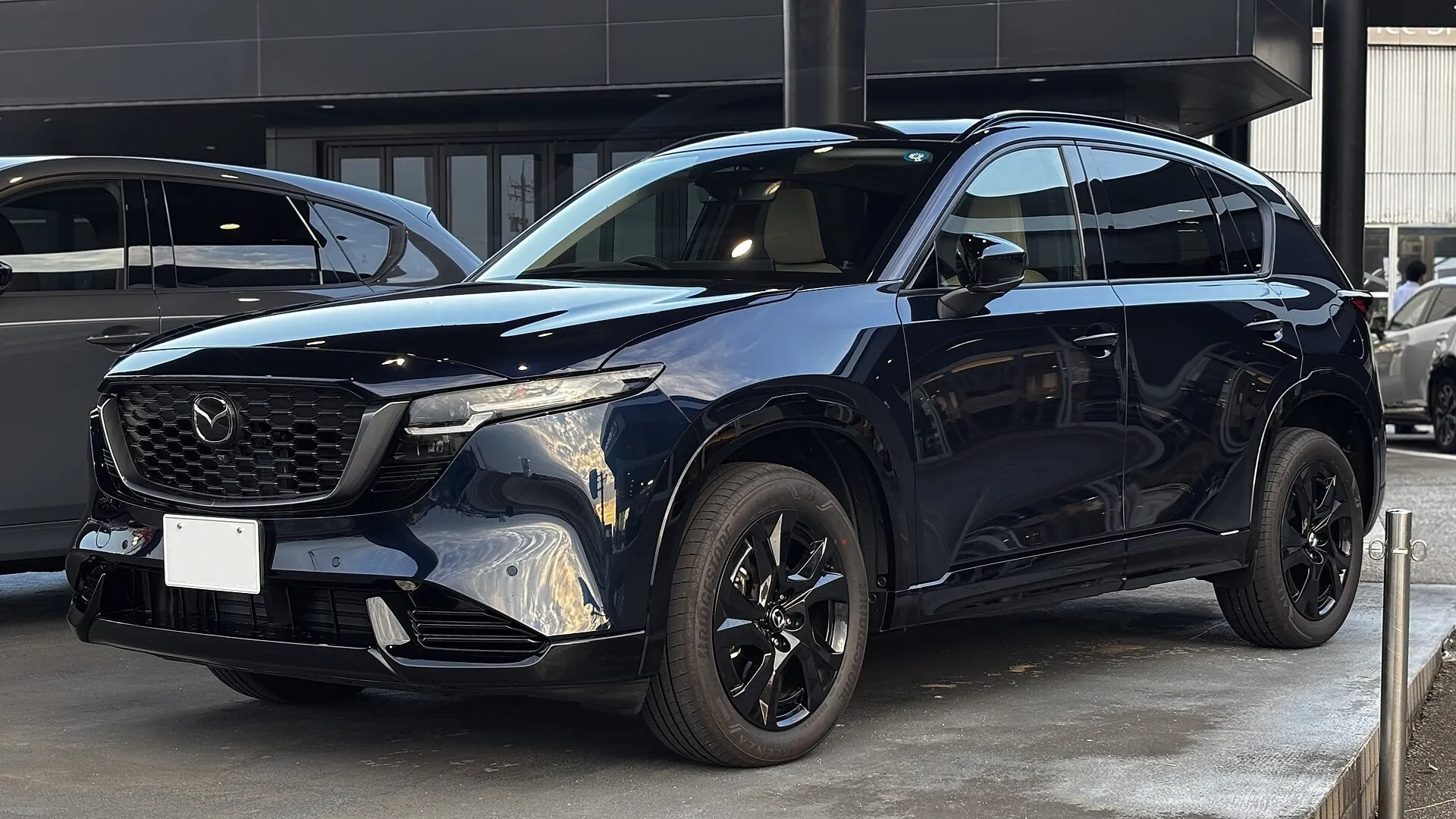

There is no recall for Mazda CX-5 auto braking in Australia, for the new third-generation car or the old one. Yet Google Trends shows Australian searches for a Mazda CX-5 auto braking issue jumped 3,250 per cent in a month.
Here's what's behind the scare, what to do if your CX-5 brakes for nothing, and the six real recalls Australians have been searching for this month, including one covering more than 46,000 Toyota Klugers.
Where did the CX-5 braking scare come from?
Most likely a viral US video. In early October, an American owner posted that her new 2026 CX-5 braked hard on its own three or four times on one drive. Her dealer kept the car for about two weeks and reportedly found nothing wrong.
The US regulator's public complaint database adds context, not proof. On 30 October it held 17 owner complaints for the 2026 CX-5 and 29 for the 2025 model, with only a handful describing unexpected braking. Neither year has a US recall, and we found no investigation.
Is the Australian CX-5 affected?
There's no Australian recall and no Mazda Australia statement. Mazda's recalls page lists only the Takata airbag campaign. The new CX-5 went on sale here in mid-2026 from $39,990 before on-road costs, with forward and reverse Smart City Brake Support standard, and carries a five-star ANCAP rating.
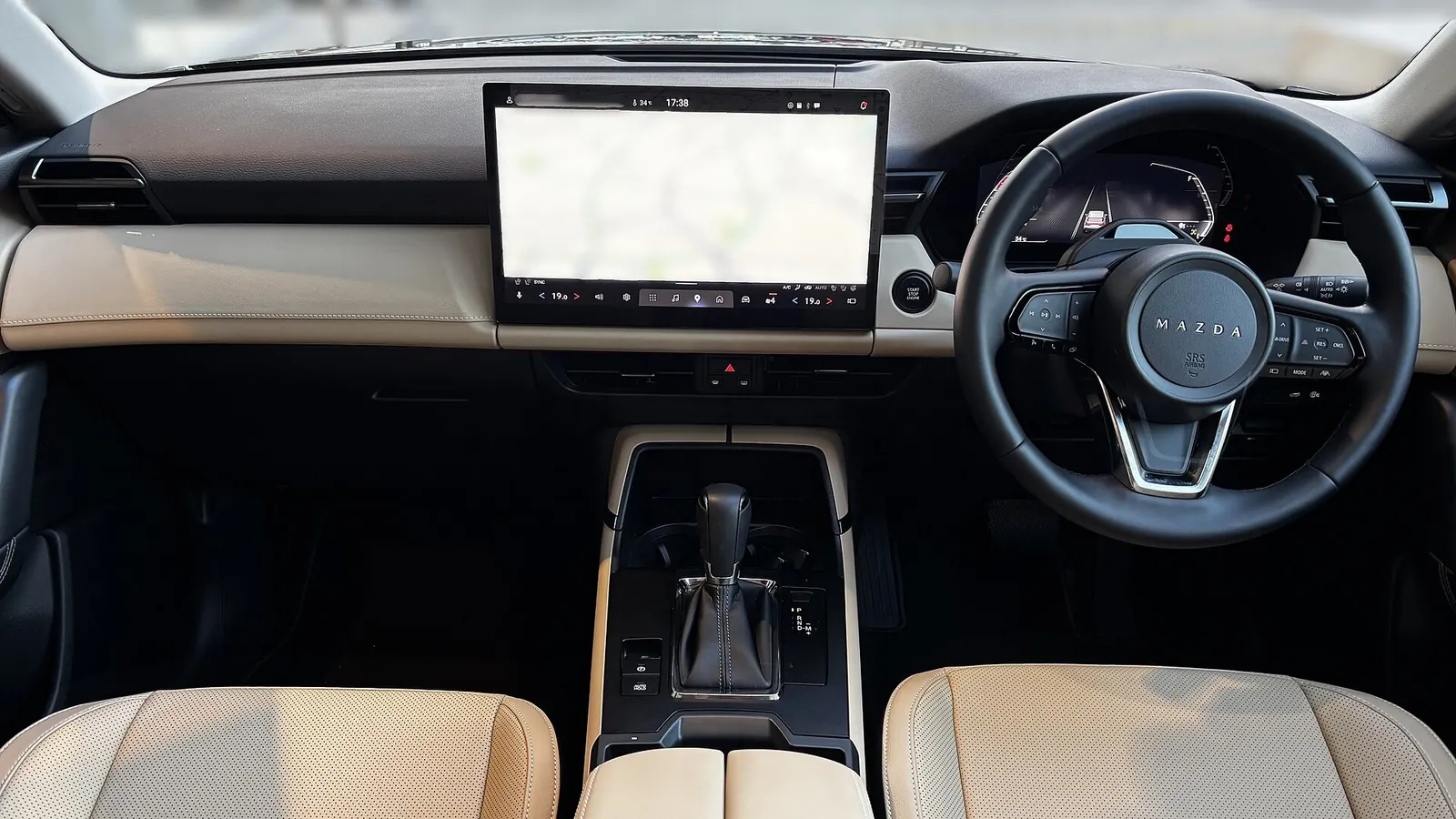
That doesn't mean owners are imagining it. Automatic emergency braking can misread a scene, and Mazda has fixed false activations before: in 2019 it recalled about 35,000 Mazda3s in the US for false obstacle detection that could trigger sudden braking. A software update fixed that one.
If you drive the previous KF CX-5, it's a different car with different software, and its 2017 ANCAP rating expired in December 2023. No AEB recall applies to it in Australia either.
What to do if your CX-5 brakes for no reason
Document it and report it. Don't just switch the system off and forget about it, because a pattern of written owner reports is what prompts makers and regulators to investigate, and sometimes to recall.
- Note the date, time, location, speed and any warning message on the dash.
- Save footage if you have a dash cam. Our dash cam guide lists models that record reliably.
- Report it to your dealer in writing, and ask for a copy of any diagnostic report.
- Check your VIN on Mazda's recall page, and report a suspected safety defect to the federal government through vehiclerecalls.gov.au.
- Keep the windscreen camera area clean, and switch the i-ACTIVSENSE systems off before a conveyor car wash, as Mazda's owner's manual instructs.
The recalls Australians are actually searching for
The biggest by far is the Toyota Kluger. On 2 October, Toyota expanded a second-row seat recall to 46,467 vehicles built from March 2021 to June 2025, because the seatback may not lock and could fail to restrain a passenger in a crash.
The fix is a free replacement of the seatback return springs, which takes about an hour at a Toyota dealer. If you own a Kluger built in that window, you don't need to wait for the letter: check your VIN and book it in.
The Kluger recall is roughly six times bigger than the other five combined. The CX-5, the most-searched name of the lot, has no recall at all.
Sources: Australian Government vehicle recall notices and manufacturer statements, October 2026. Kluger total after the recall was expanded on 2 October.
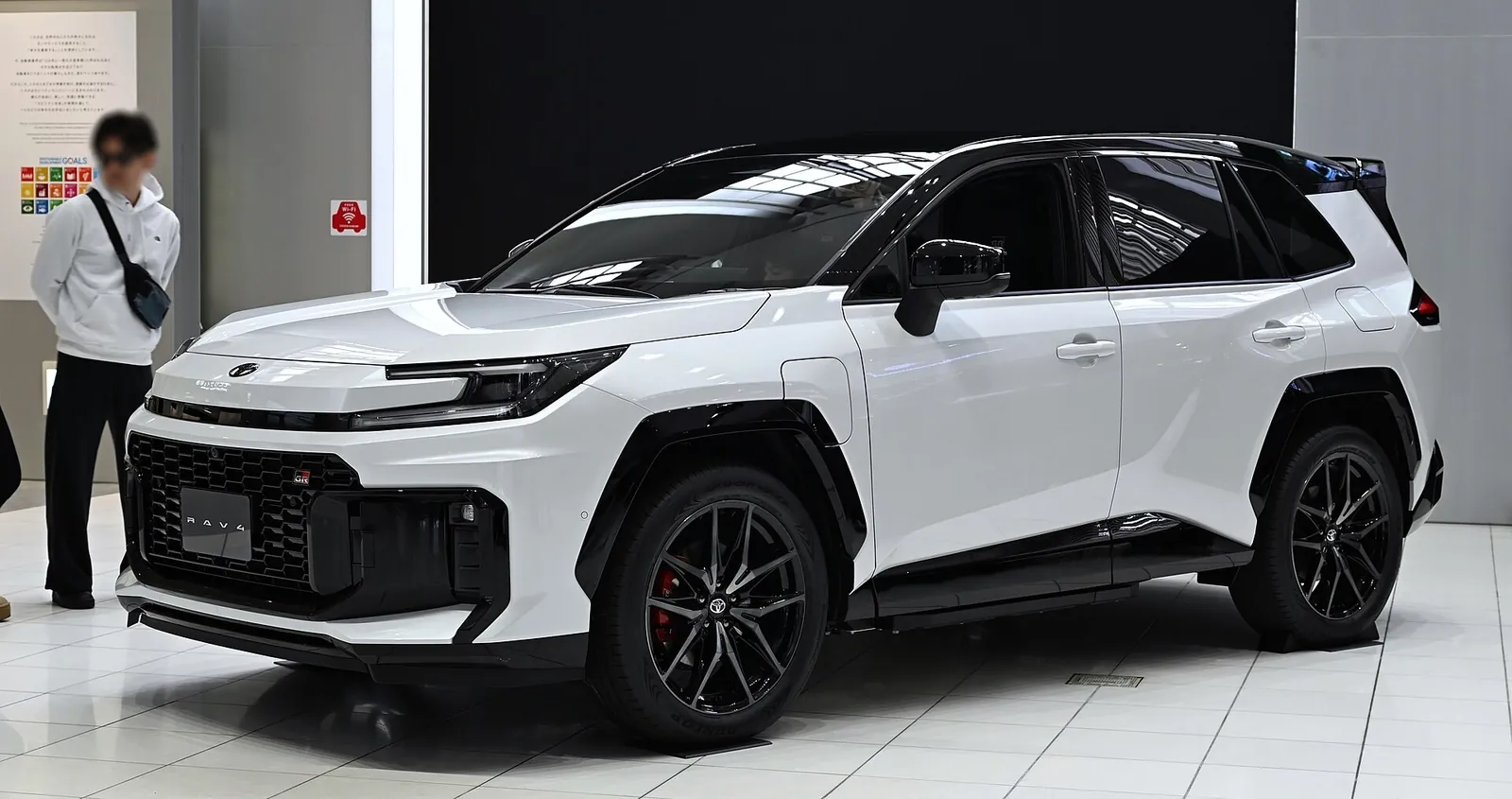
Three of the six involve electrified cars. The new RAV4 plug-in hybrid (5,925 vehicles) has a control unit fault that can stop the electric motor working at higher speeds. The Forthing Electric (263 vehicles) can lose drive if a high-voltage cable rubs on its bracket.
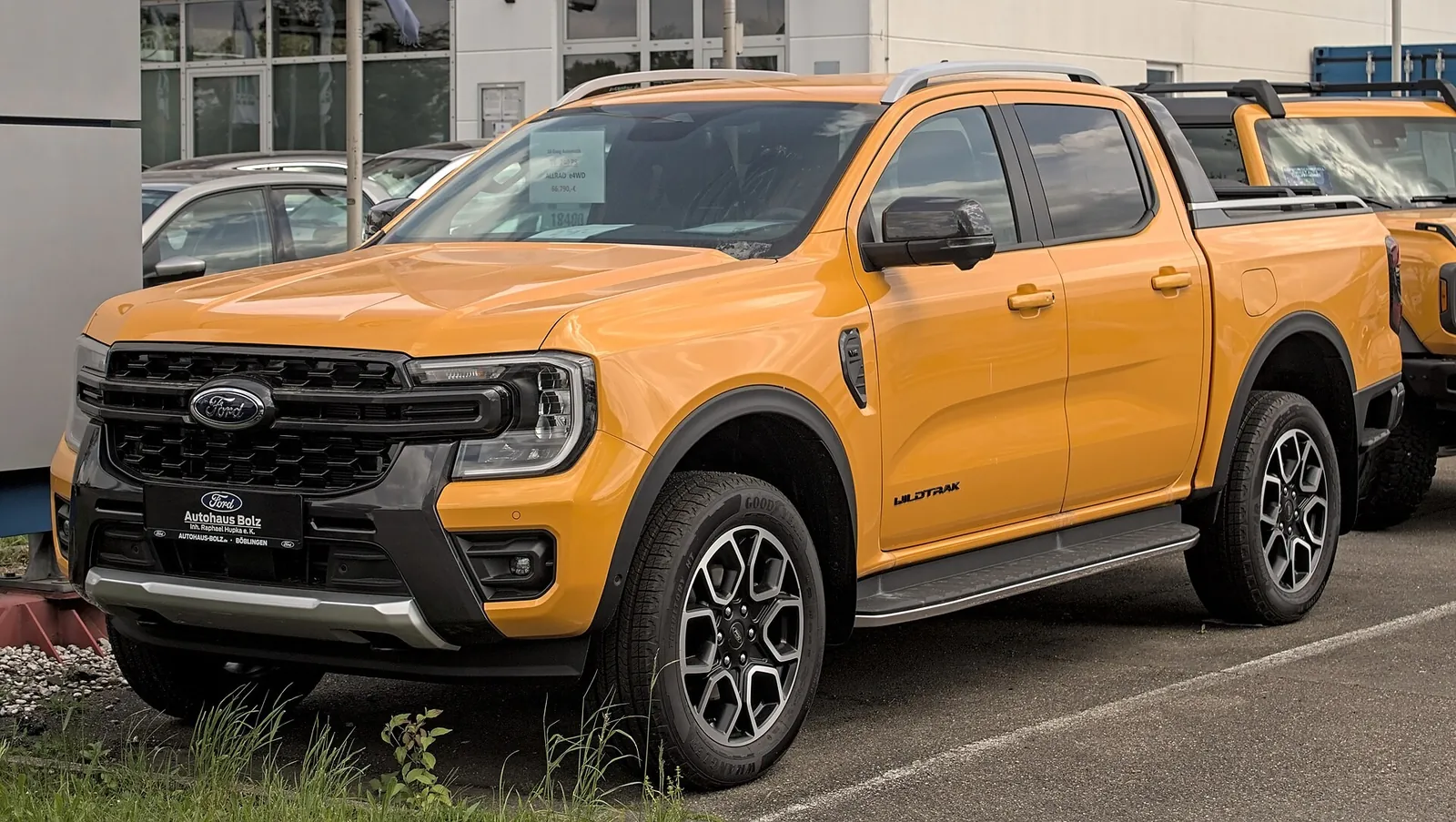
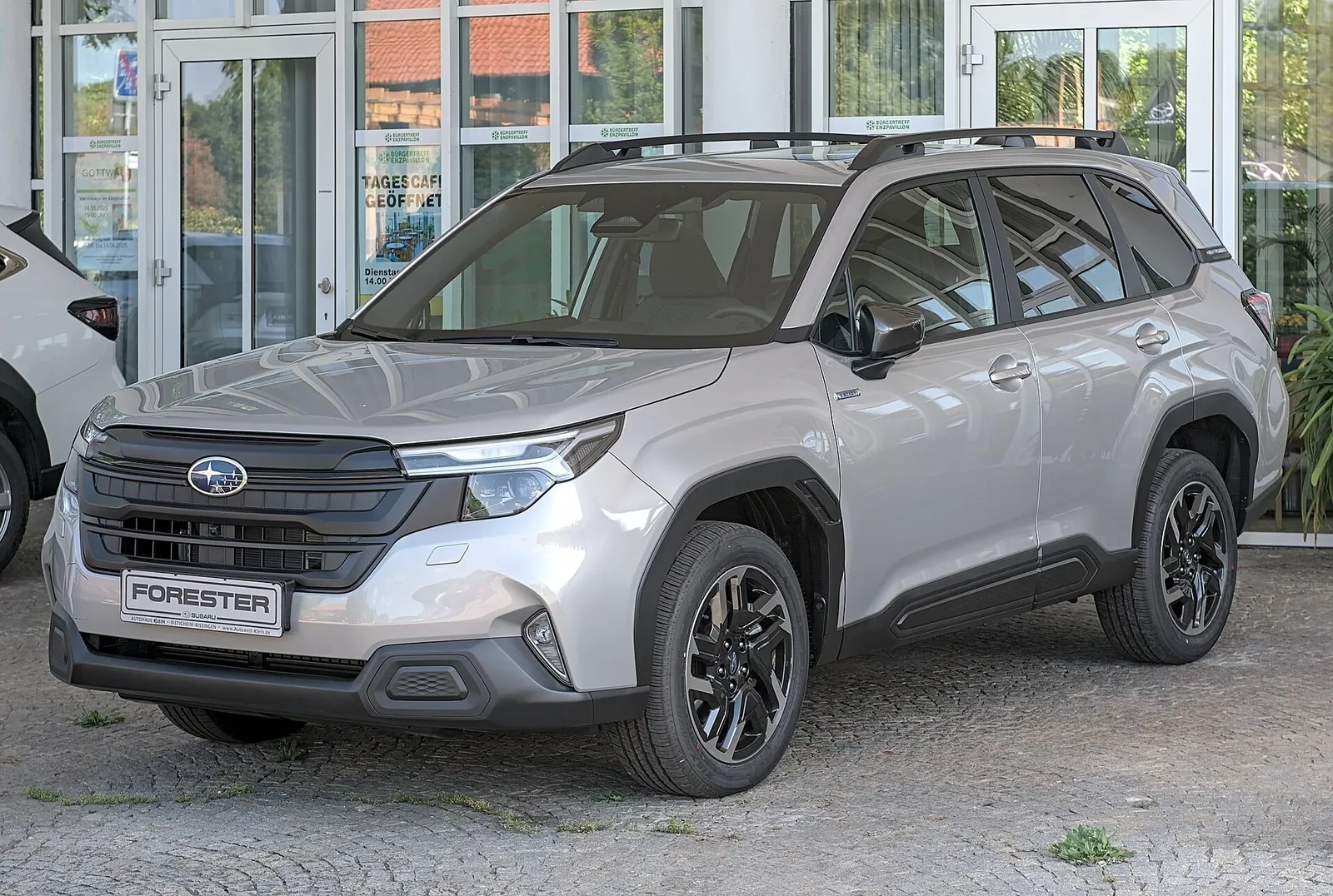
The Subaru Forester Hybrid (42 vehicles built this year) may have a cracked parking pawl support, so it could roll away when parked. Ford's Ranger and Everest (1,085 vehicles) can lose the 10.1-inch centre screen, taking the reversing camera with it.
The smallest is also the dearest. Ninety-five Range Rover Sports built from 2023 to 2026 may have cracks in the rear subframe, weakening the structure in a rear-end crash. Every fix on this list is free, and makers must contact registered owners.
How to check your car for a recall
Enter your VIN on the maker's recall page; Mazda, Toyota and Ford all have one. The federal recall site lists every notice with the affected VINs. Update your address with the manufacturer too, because recall letters go to the registered owner.
Buying used? Check recalls alongside your $2 PPSR search before you pay. And ignore anyone posing as a dealer who offers to collect your car for an outstanding recall; the government warns that this is a scam.
Since July 2021, vehicle recalls have been run under the Road Vehicle Standards Act by the federal Department of Infrastructure, not the ACCC. Most are voluntary, but the minister can order a compulsory recall. The Takata airbag recall remains with the ACCC.
What this means for Aussie buyers
A trending search isn't a defect, and the new CX-5 has a strong five-star rating. But software-heavy cars bring software recalls. If you're shopping for a family SUV, our hybrid SUV ranking and most reliable brands guide both factor recall history in.
For CX-5 owners, the advice is simple: if it happens, record it and report it. Kluger owners should book their car in now. Everyone else should run their VIN through a recall checker this weekend. It takes two minutes, and every fix is free.
Recall figures as at 30 October 2026. Header image: Oq10pass, CC0, via Wikimedia Commons. Overseas-market cars shown.


