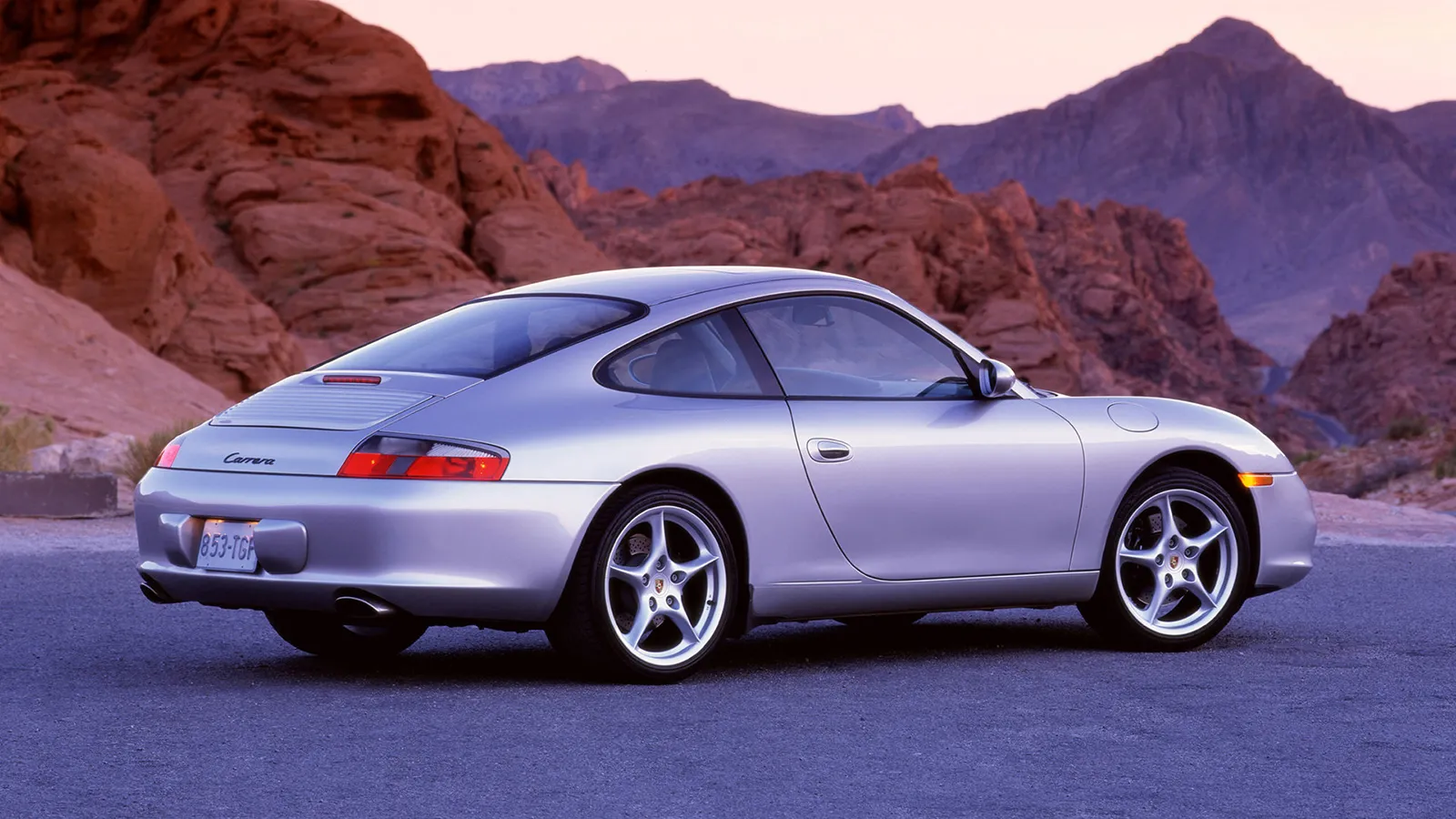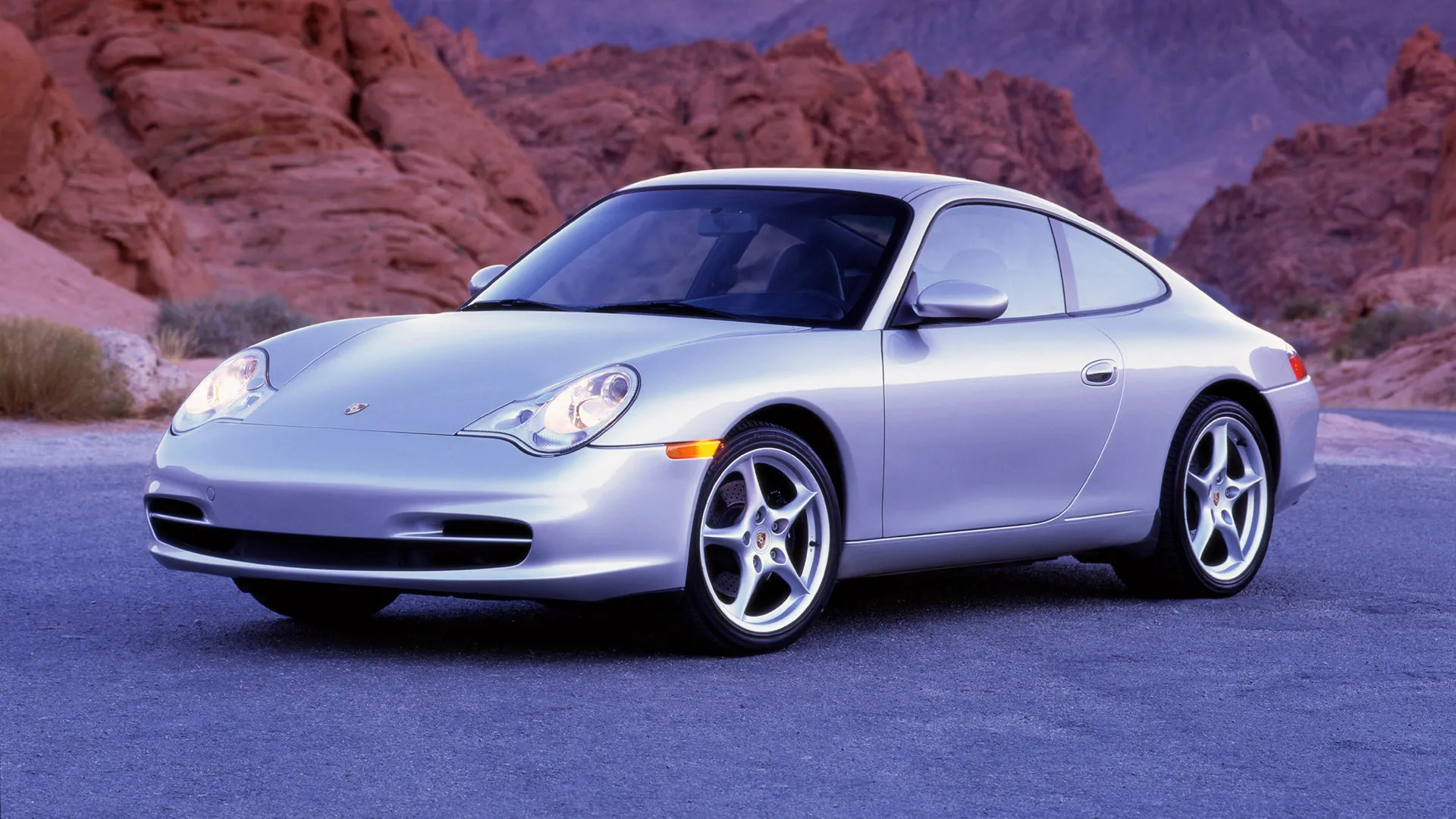

The asking price on a 996 is not the entry price. That gap is the whole story, and it is where most first-time Porsche buyers get hurt. Work out what the car costs after you have made the engine trustworthy, and the 996 either makes complete sense or none at all.
The good news is that every number you need is knowable before you spend anything. The IMS bearing has been studied to death, the costs are published, and the failure data exists. What follows is that arithmetic rather than the folklore.
The badge on the back tells you which engine you got
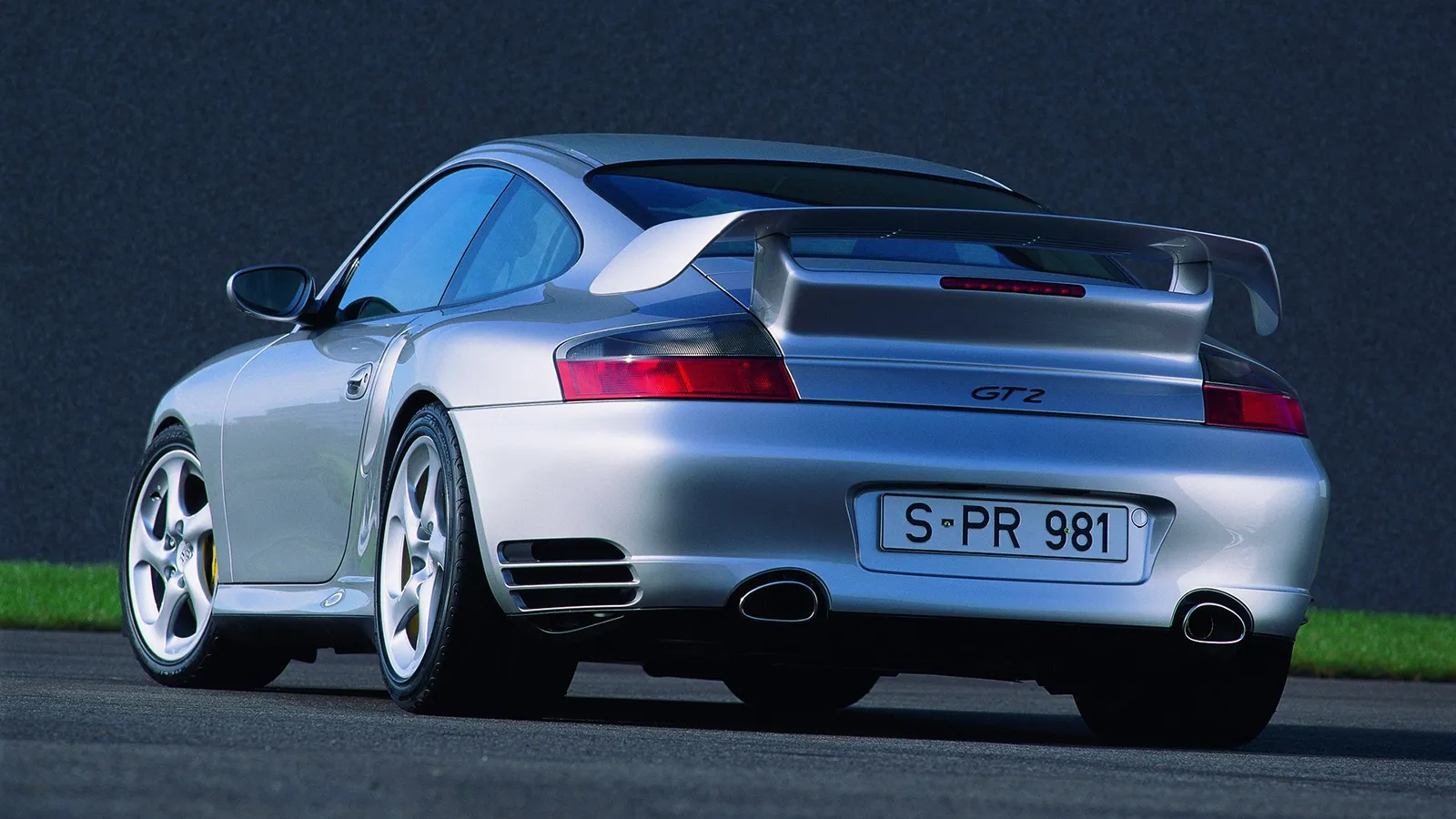
This is the single most important thing in this article. The Carrera models use the M96 engine, which is the one with the intermediate shaft bearing problem. The 996 Turbo, GT3 and GT2 use the Mezger engine, which does not have it. Same generation, same shape, entirely different ownership risk.
The reason is design rather than luck. LN Engineering, the company that builds the retrofit kits and knows this platform better than anyone, explains that the Mezger engines support the intermediate shaft on oil-pressure-fed plain bearings at both ends. There is no sealed bearing to fail.
Porsche Engine Reliability
That table is the buying guide in miniature. If IMS anxiety is what is stopping you, the answer is a Mezger car, and the price of that answer is that Turbos and GT3s left cheap-911 territory a long time ago.
What the IMS numbers actually say
The figures everyone quotes come from the Eisen class action against Porsche: an 8 per cent failure rate for the single-row bearing and 1 per cent for the dual-row. Those are real numbers from a real legal process, and they are also more heavily caveated than almost anyone repeating them admits.
LN Engineering is explicit about why. Those rates were measured during the warranty period, no data exists outside it, and failure rates only increase with age and mileage. Their own conclusion is that the class action figures are no longer accurate for cars now well past twenty years old.
Broadly, earlier cars tend to carry the sturdier dual-row bearing and later ones the weaker single-row design. Do not take that as gospel for a specific car, because it is a build-date question rather than a model-year one, and the only way to know what is in the car in front of you is to have someone look.
So the honest position is this: a low single-digit percentage of these engines failed under warranty, the real lifetime figure is higher and unknown, and the consequence of the failure is catastrophic. That combination is why the fear outruns the statistics.
The problem that should worry you more
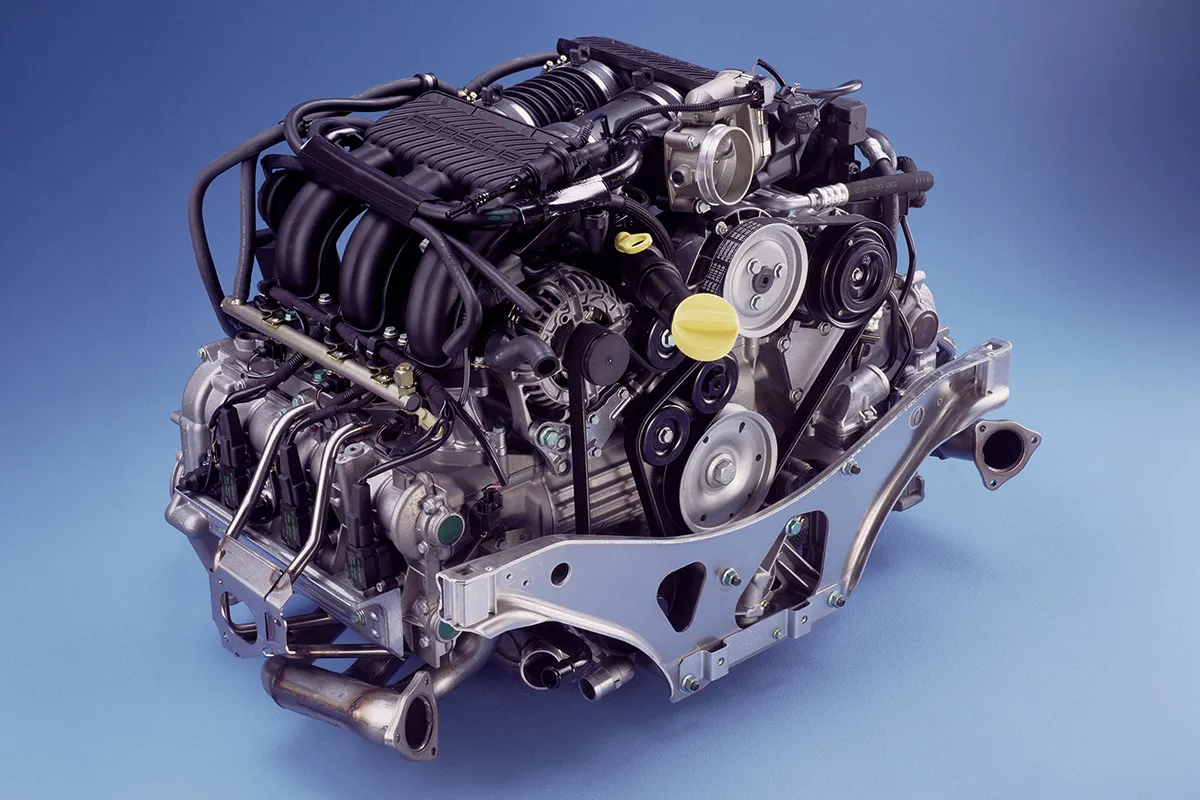
Bore scoring gets a fraction of the attention and is arguably the worse outcome. On the M96 and M97 engines it frequently cannot be repaired in isolation, and LN Engineering notes it often requires complete crankcase replacement. On a Mezger, each cylinder liner can be replaced independently.
That asymmetry matters enormously to a buyer. An IMS bearing is a known part with a known fix at a known price. Bore scoring is an open-ended bill on an engine architecture that does not want to be repaired piecemeal.
It is also harder to screen for. A borescope inspection of the cylinders during a pre-purchase check is the only sensible way to look, and any specialist who tells you it is unnecessary on a twenty-year-old M96 is not the specialist you want.
What it costs to de-risk the engine
The retrofit kit itself is the cheap part. LN Engineering’s IMS Retrofit kit sits under $1,000 for the parts, and the job runs an average of 10 to 14 hours because the gearbox has to come out. Replacement with an aftermarket ceramic bearing is commonly quoted at $1,700 to $2,500 all up.
IMS & Bore Scoring Repairs
The efficiency argument is worth understanding. Because the gearbox is already out, this is the moment to do the rear main seal and the clutch if either is marginal. Doing them separately means paying that labour bill two or three times, which is how a $2,000 job becomes a $5,000 year.
Australian Porsche specialist NINEAUTO reports IMS bearing replacement being undertaken almost weekly, and notes that buyers now actively look for cars with the work already done. That is a useful signal: the market has started pricing the fix into the car.
The money that is not the engine
A 996 is a cheap 911 to buy and a Porsche to own. Nothing about the servicing, the consumables or the parts pricing reflects the purchase price, and the single most common way people come unstuck is budgeting for the car rather than for the ownership.
Rear main seal weeping is close to a rite of passage on these cars and is frequently overstated as a disaster. Coolant pipes, the air-oil separator, suspension bushes and twenty-year-old plastics are all queued up behind it. None of it is exotic. All of it is Porsche-priced.
Fold the whole picture into a proper total cost of ownership calculation rather than a purchase decision. A 996 you cannot afford to maintain is considerably more expensive than one you never bought.
Is it actually an investment?
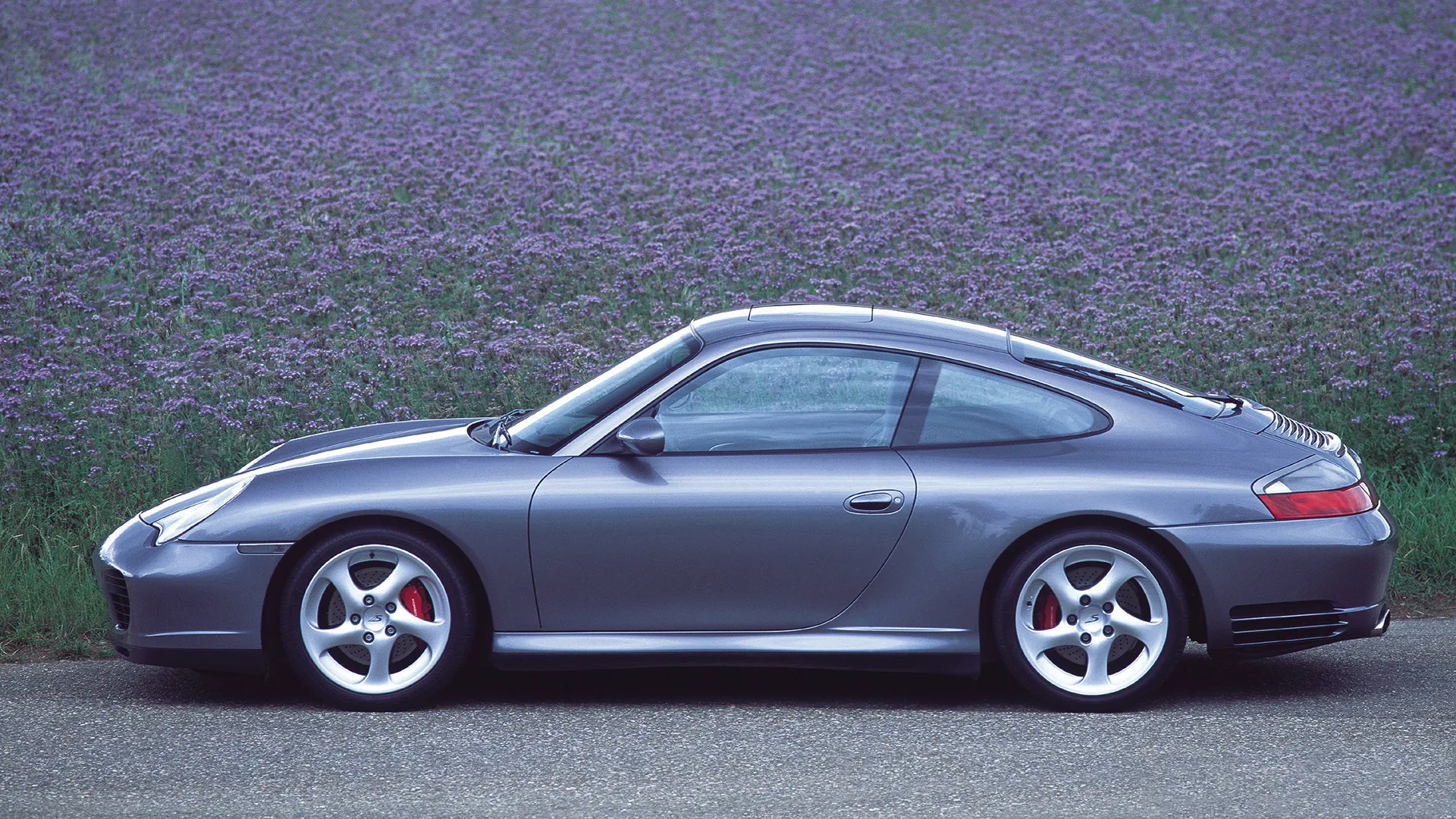
Values on early water-cooled 911s have firmed, and the 996 is no longer the punchline it was a decade ago. That is a market observation rather than a forecast, and anyone telling you where these cars go next is guessing with more confidence than the evidence supports.
What can be said with more certainty is that condition and history now separate cars far more than they used to. A documented, sorted example with the engine work done and receipts to prove it occupies a different market to a cheap one with a story, and that gap has widened.
The sensible framing is the one that applies to any enthusiast car bought partly as an asset. Buy the best example you can afford, keep every receipt, and treat any appreciation as a bonus rather than a plan. Nothing here is financial advice.
How to actually buy one
Spend money on the inspection before you spend it on the car. A pre-purchase inspection by a Porsche specialist, including a borescope look at the cylinders, is the difference between buying a car and buying a project. It is the best value money in the entire transaction and the most commonly skipped.
Ask directly whether the IMS has been done, and ask for the invoice rather than the assurance. A car with documented retrofit work, a recent clutch and rear main seal, and a specialist history is worth a genuine premium over an unknown example at the same price.
Bring a scan tool as well, because stored faults and adaptation values tell you things the seller may not. The principle is the same one that applies to any used car worth inspecting properly, just with more at stake.
And be honest about which car you want. If the appeal is the badge and the noise rather than the last word in 911 dynamics, a well-sorted Carrera is the answer. If it is the driving, a mid-engined alternative asks fewer difficult questions of your bank account.
The 996 is not a cheap 911. It is a normally priced 911 with a discount applied for a specific, well-documented, fixable risk. Pay for the fix and you own a Porsche. Skip it and you own a lottery ticket with a gearbox.