

Walk through any Australian high school car park and you will see the same four cars: a Yaris, a Swift, a Mazda2, maybe a Jazz. Small, cheap, easy to park, five ANCAP stars quoted in the ad. Not one of them appears on Australia’s list of safest used cars.
That list is the Used Car Safety Ratings, and it does not care what happened in a laboratory. Monash University’s Accident Research Centre built the 2025 edition from police-reported crashes involving 9.5 million vehicles and 2.6 million injured road users across Australia and New Zealand between 1987 and 2023.
The Four Cars That Pass Every Test
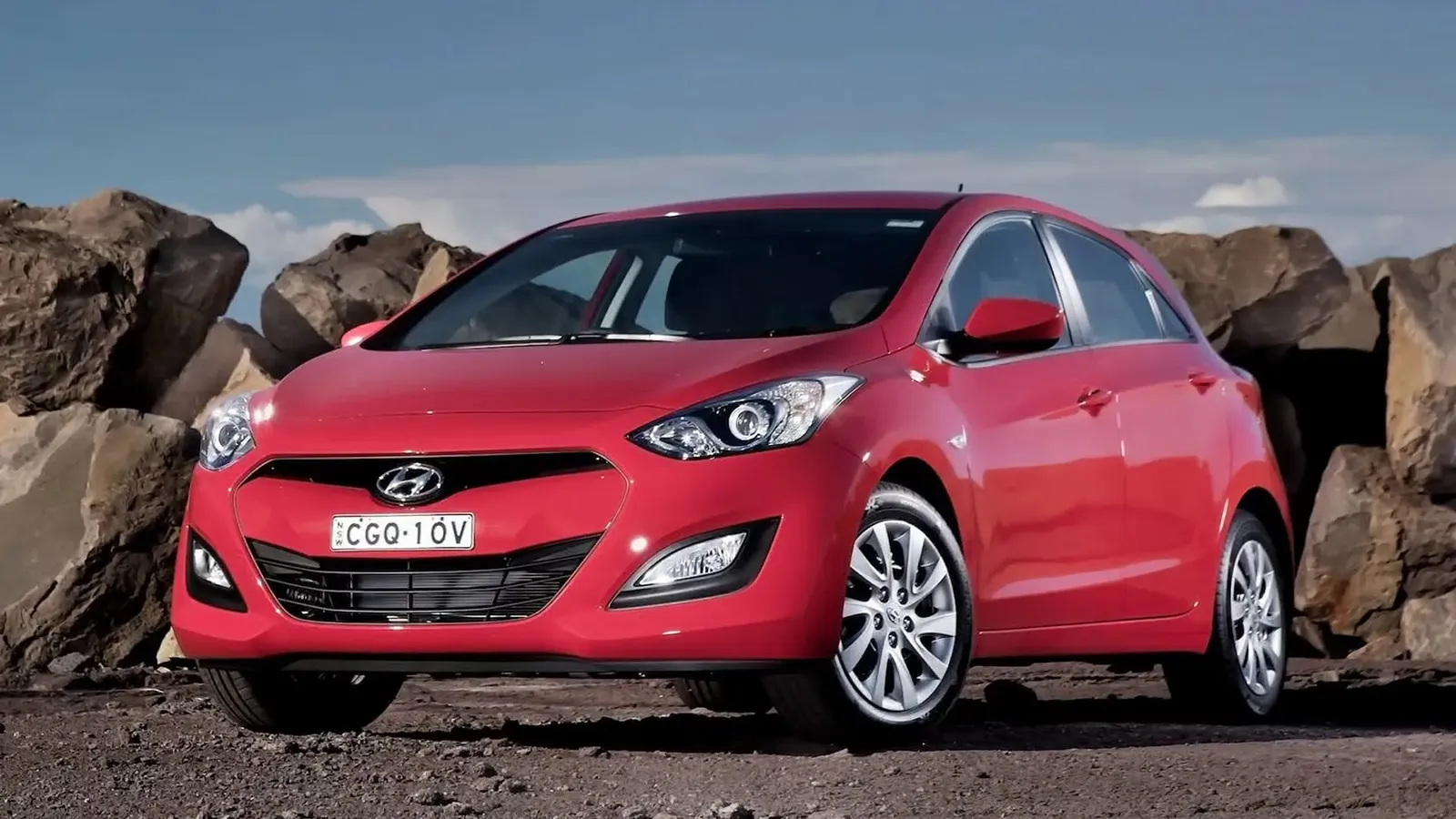
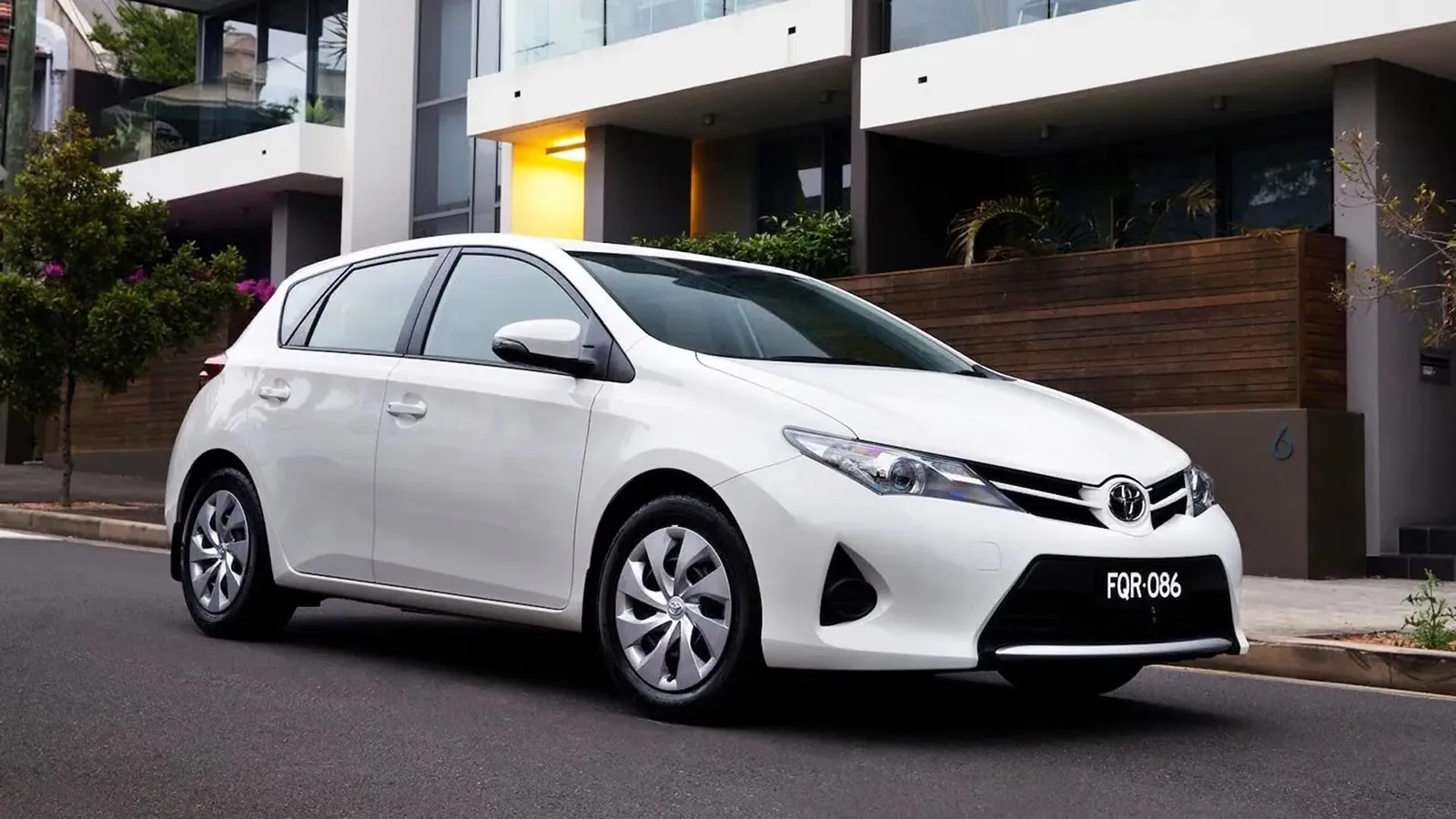
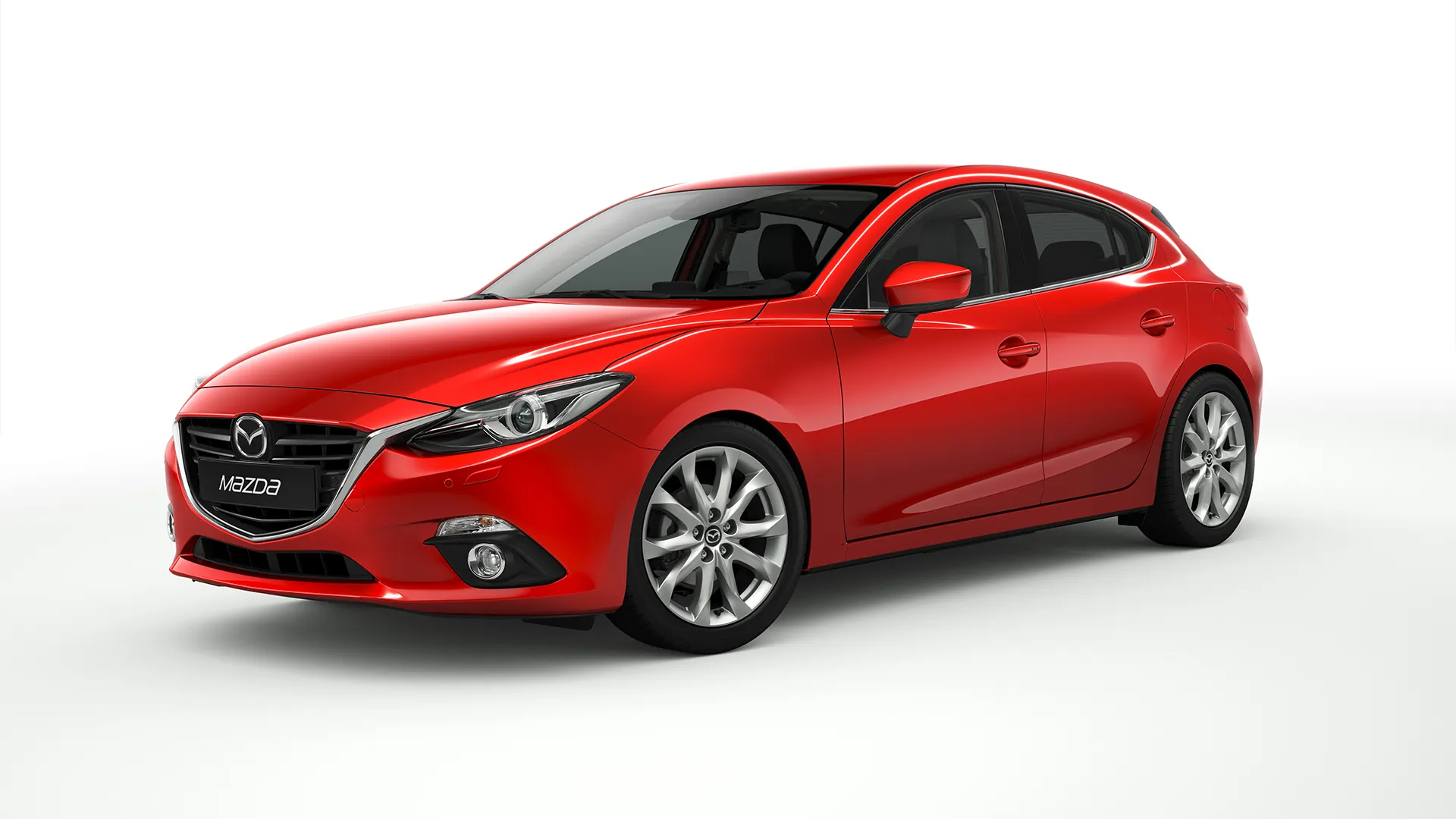
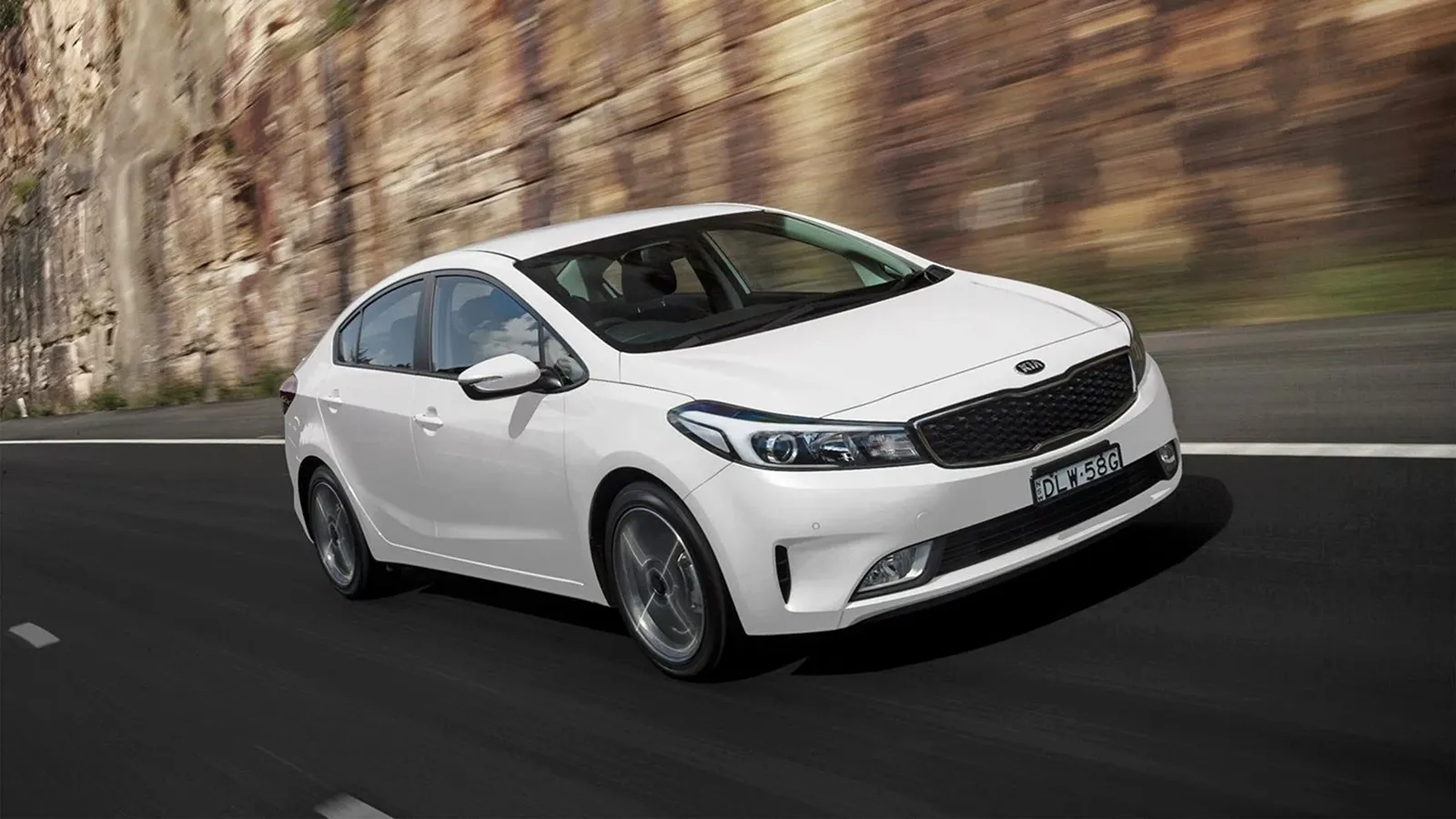
Four cars clear every bar on a real first-car budget: the Toyota Corolla (2012 to 2019), Mazda3 (2013 to 2019), Hyundai i30 (2012 to 2017) and Kia Cerato (2013 to 2018). Each one is a UCSR Safer Pick, each has genuine sub-$10,000 stock, none carries Takata airbag exposure, and none has a transmission class action trailing behind it.
What does a Safer Pick rating actually mean?
Safer Pick is a strict bar, not a marketing badge. A car earns it by scoring five stars for overall safety and five for driver protection, plus at least four stars for both crash avoidance and the risk it poses to other road users. Of 561 models rated in the 2025 edition, only a fraction qualify.
Top Safer Pick Used Cars
Those bands come from CarsGuide’s private-sale price guides and are a starting point, not an asking price. Expect the cheapest examples to be base-trim manuals with real kilometres on them. A 2013 Corolla Ascent sedan guides at $7,350 to $9,400 privately, and that variant is confirmed with stability control and curtain airbags as standard.
Why the Yaris, Swift and Mazda2 Miss Out
They are light cars, and physics is unsentimental. In a crash between two vehicles, the lighter one loses. The Safer Pick list is thin on light cars for exactly that reason: no Yaris, no Swift, no Mazda2, no Kia Rio, no Hyundai i20, no Honda Jazz, no Nissan Pulsar and no Mitsubishi Lancer appears in any generation near this budget.
The small-car class is where the budget and the crash data finally agree. A 2013 Corolla costs roughly what a 2014 Yaris costs, weighs a few hundred kilograms more, and sits in a category the data rates far more highly. That is the whole argument for buying one size up.
Does that make a five-star Yaris unsafe?
No, and anyone who tells you otherwise is overselling. A 2014 Yaris with stability control and curtain airbags is vastly safer than the 2004 hatchback it replaced. The point is narrower: its ANCAP stars were awarded against a decade-old test protocol, and they say nothing about how it performs against a modern SUV.
This is where those stars get slippery. ANCAP ratings now carry a six-year validity, which is why the five-star badge in a used car ad can be close to meaningless. Real-world crash outcomes do not expire. That is the case for reading UCSR first and the ad second.
Three Safer Picks Nobody Mentions
The Hyundai Elantra (2011 to 2015), Hyundai Accent (2011 to 2019) and Honda City (2009 to 2013) are all Safer Picks, all cheaper than the four above, and almost never turn up in a first-car guide. If the budget is tighter than $6,000, this is where the crash data still holds up.
The Elantra is the sedan the i30 was built alongside, sharing its era and much of its engineering, and it trades for less purely because sedans are unfashionable with young buyers. The Accent is the rare light car that made the list at all, which makes it the safest genuinely small option on the market.
Two Toyota hybrids qualify as well: the Prius (2009 to 2016) and the smaller Prius C (2012 to 2020). Both are Safer Picks and both are cheap now, but price in the cost of a hybrid battery on a car well past a decade old before you treat either as a bargain.
The Safer Pick to Walk Straight Past
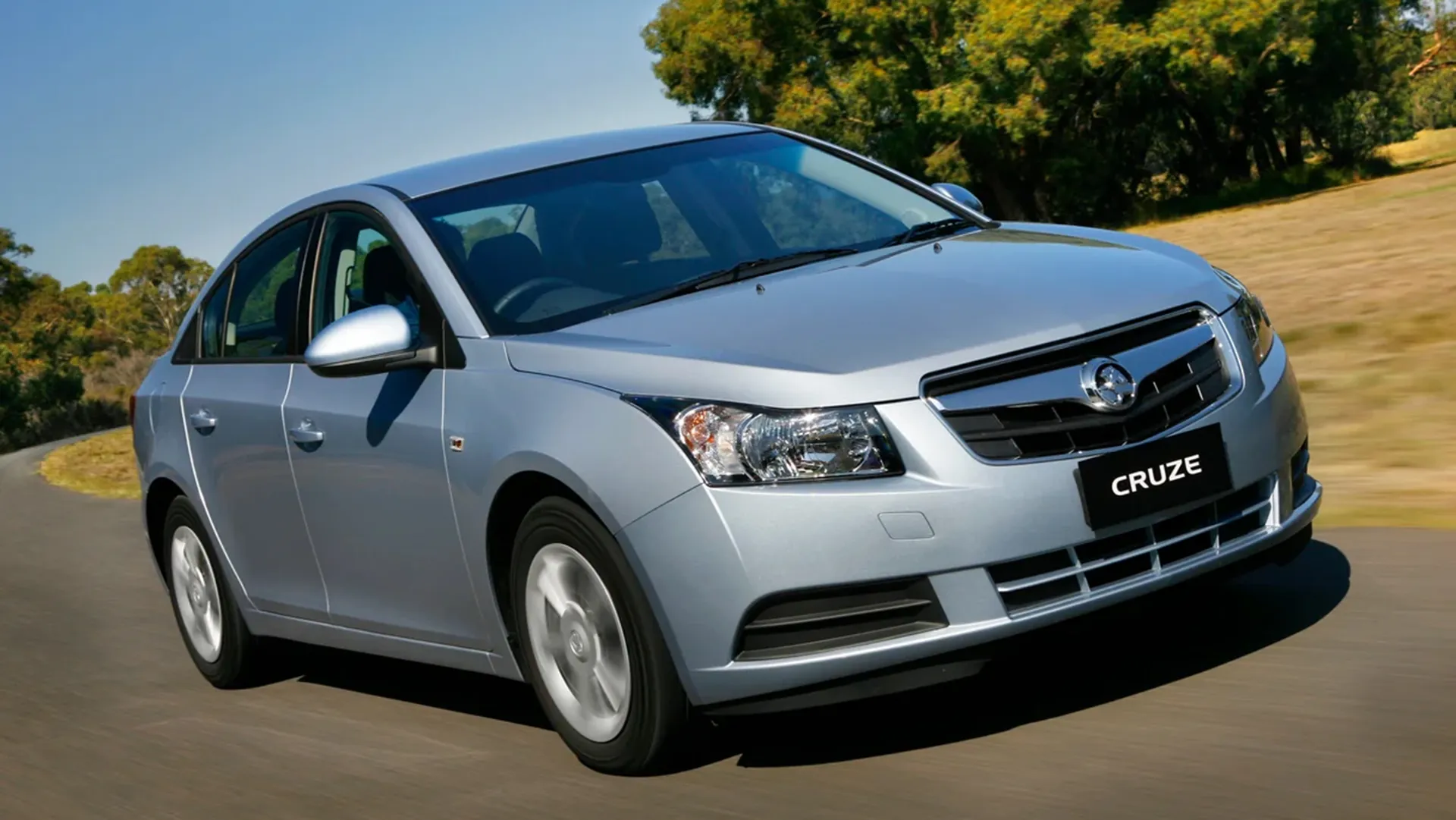
The Holden Cruze (2009 to 2016) is a Safer Pick. Do not buy one. Its entire production run sits on the compulsory Takata airbag recall list, and carsales documents coolant and thermostat failures, transmission complaints and a fire risk on pre-2014 turbo-petrol cars.
Two other Safer Picks need an asterisk. The Subaru Impreza (2012 to 2016) qualifies, but 2008 to 2014 builds appear on the same Takata list, so check the VIN before you hand over money. The Volkswagen Golf VII (2013 to 2020) qualifies too, though the DSG is the reason most buyers should look elsewhere.
Check the Car, Not the Model Year
Stability control is the single most valuable feature on a cheap car, and you cannot assume a year has it. ADR 31/02 came in during 2011, but a sunset clause let distributors keep selling existing models without it until November 2013, as carsales has documented. A 2012 build is not proof of anything.
So verify the individual car. Look up the exact variant on howsafeisyourcar.com.au, confirm stability control and curtain airbags are listed as included, then check the VIN against the Takata list. Take an OBD2 scanner to the inspection and read the stored fault codes before the test drive, not after.
What These Four Actually Cost to Keep
Insurance, not the purchase price, is what hurts a P-plater. Comprehensive cover for a driver under 25 routinely runs into four figures a year, and the premium tracks the car’s performance reputation as much as its value. All four picks sit in the dullest, cheapest insurance territory available, which is exactly the point.
Servicing follows the same pattern. Corolla, Mazda3, i30 and Cerato all run conventional automatics or manuals, all have deep parts supply, and any independent workshop in the country can service them. Compare that with the premiums a young driver pays on anything with a turbo badge and the gap widens further.
Resale is the quiet win. Corolla and Mazda3 hold value better than almost anything else at this price, so two years of P-plates need not mean losing the lot. Keep the paint and interior presentable with a decent detailing kit and stay on top of the basic maintenance schedule.
What Not to Buy
Skip any Ford Focus or Fiesta from 2011 to 2016 fitted with the Powershift automatic. The Federal Court fined Ford Australia $10 million for unconscionable conduct over its handling of those transmissions, and about 37 per cent of the affected cars needed a clutch replacement. Neither model is a Safer Pick anyway.
Power restrictions rule out less than most parents fear. NSW, Victoria, Queensland and South Australia all cap P-platers at 130kW per tonne, while Western Australia and Tasmania impose no power limit at all. Every car on this list sits far below that threshold, so legality is not the constraint here. Judgement is.
If the budget is the hard limit rather than the crash data, our best first cars under $10,000 shortlist ranks the same market on value and reliability instead. Read them together. One tells you what you can afford, this one tells you what the crash records say about surviving it.
Drivers aged 17 to 25 die on Australian roads at a higher per-capita rate than any other age group, at 7.6 deaths per 100,000 people in 2024 according to BITRE’s Road Trauma Australia report. A 2013 Corolla will not fix that. It will, on the evidence of nine and a half million crashes, give a new driver better odds than the Yaris parked next to it.


