
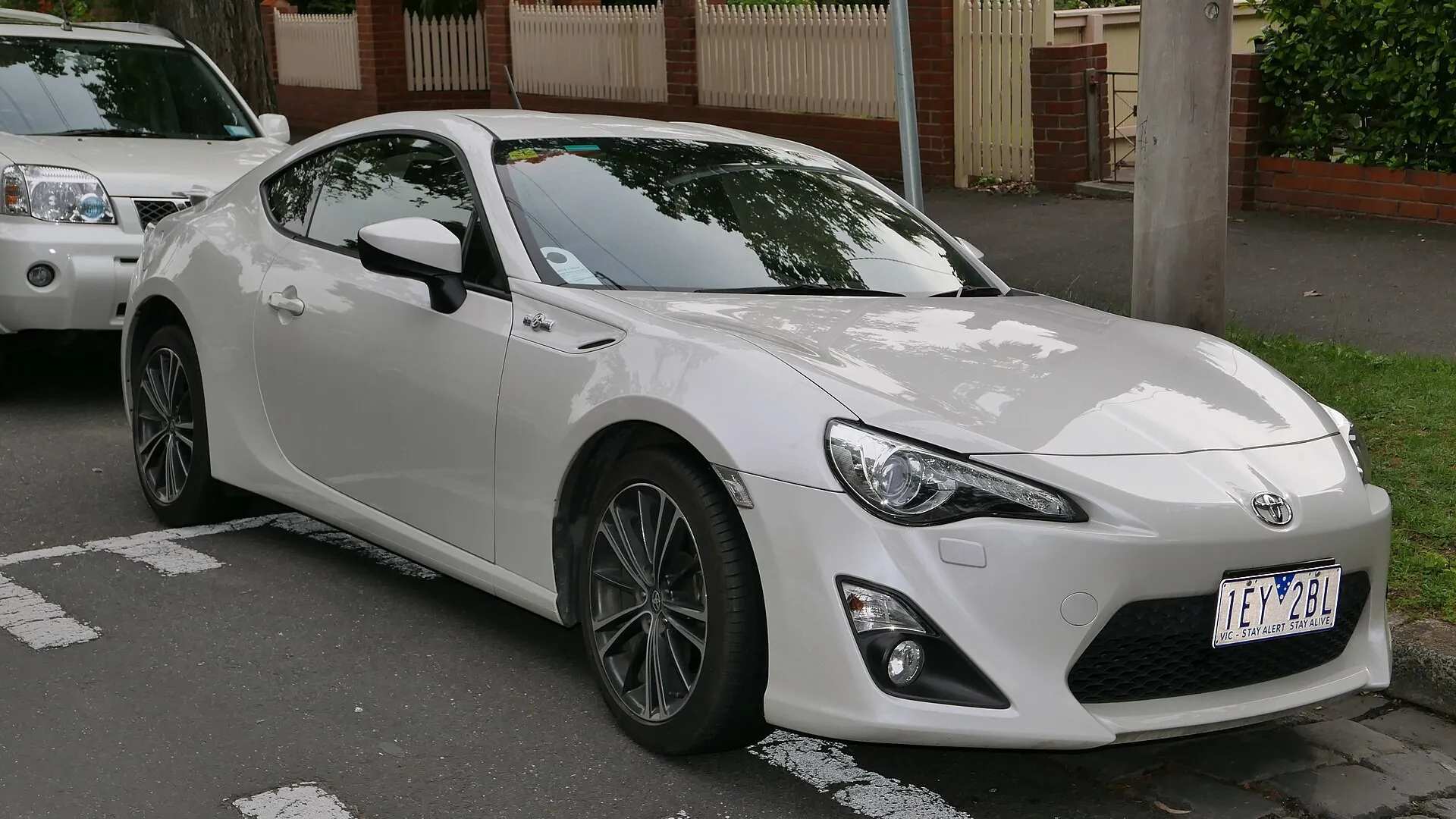

Here's the thing most parents don't know: the first-generation Toyota 86 is now the newest Toyota sports car a P-plater can drive in NSW, Victoria, Queensland and South Australia. The GR86 that replaced it is over the power-to-weight limit. The original isn't, in any factory form, and it costs from about $21,000.
That makes the 2012 to 2021 86, and its Subaru BRZ twin, a popular choice for first-time buyers with a bit of enthusiasm. It's also a car that many owners have tracked, tuned or crashed. This guide covers what each version costs, which recalls to check and how to avoid the modified ones.
- Every factory first-gen 86 and BRZ is under the 130kW/t P-plate limit
- Torsen limited-slip diff on every 86 from September 2013
- Pre-facelift manuals from about $21,000; plenty to choose from
- Five-star ANCAP (2012) and a four-star Used Car Safety Rating
- No autonomous emergency braking on any variant
- Needs 98 RON premium, and the facelift manual claims 8.4L/100km
- Three recall campaigns to check, mostly on 2012 and 2013 cars
- Many are modified, which can make them illegal for P-platers
Is a Toyota 86 P-plate legal?
Yes, if it's standard. NSW, Victoria, Queensland and South Australia ban probationary drivers from cars over 130kW per tonne, and every first-gen 86 and BRZ sits between about 116 and 125kW per tonne. Victoria's probationary vehicle database lists every 2012 to 2021 variant as approved. WA, Tasmania, the ACT and the NT have no power limit.
Red line: 130kW per tonne P-plate limit (NSW, Vic, Qld, SA)
The worst-case first-gen car still sits 5kW per tonne under the limit. The GR86 that replaced it is over. That makes a 2021 86 the newest Toyota sports car a P-plater in the four restricted states can legally drive, as long as it's stock.
Our calculation: Toyota and Subaru power outputs divided by tare mass from Redbook specification data. States use manufacturer tare; small differences won't take any version over 130.
The catch is modifications. NSW counts any car with a significant engine modification as a prohibited vehicle for P1 and P2 drivers. South Australia's high-powered vehicle rules name free-flow exhaust extractors and mufflers outright. Headers and a tune are the most common 86 upgrades, so a modified car can be illegal for a P-plater even though the stock car is fine.
| State | Who is restricted | Limit | Stock 86 / BRZ |
|---|---|---|---|
| NSW | All P1 and P2 drivers, any age | 130kW/t, or a significant engine modification | Legal |
| Vic | All probationary drivers | 130kW/t, or performance engine modification | Legal (database: approved) |
| Qld | P1 and P2 drivers under 25 | 130kW/t for cars built from 2010, or approved engine modification | Legal |
| SA | Provisional drivers under 25 | 130kW/t, or any modification to engine performance | Legal |
| WA, Tas, ACT, NT | No power restriction | None | Legal |
Sources: Transport for NSW, Transport Victoria, Queensland Government, SA mylicence; WA, Tas, ACT and NT licensing pages, checked 27 October 2026.
Our P-plate power laws explainer covers how each state measures power-to-weight, and our P-plate legal cars list has other options. If the car you're looking at has extractors, a tune or an aftermarket intake, ask whether it's been certified, or put it back to standard before a P-plater drives it.
Pre-facelift or facelift: what changed in 2016?
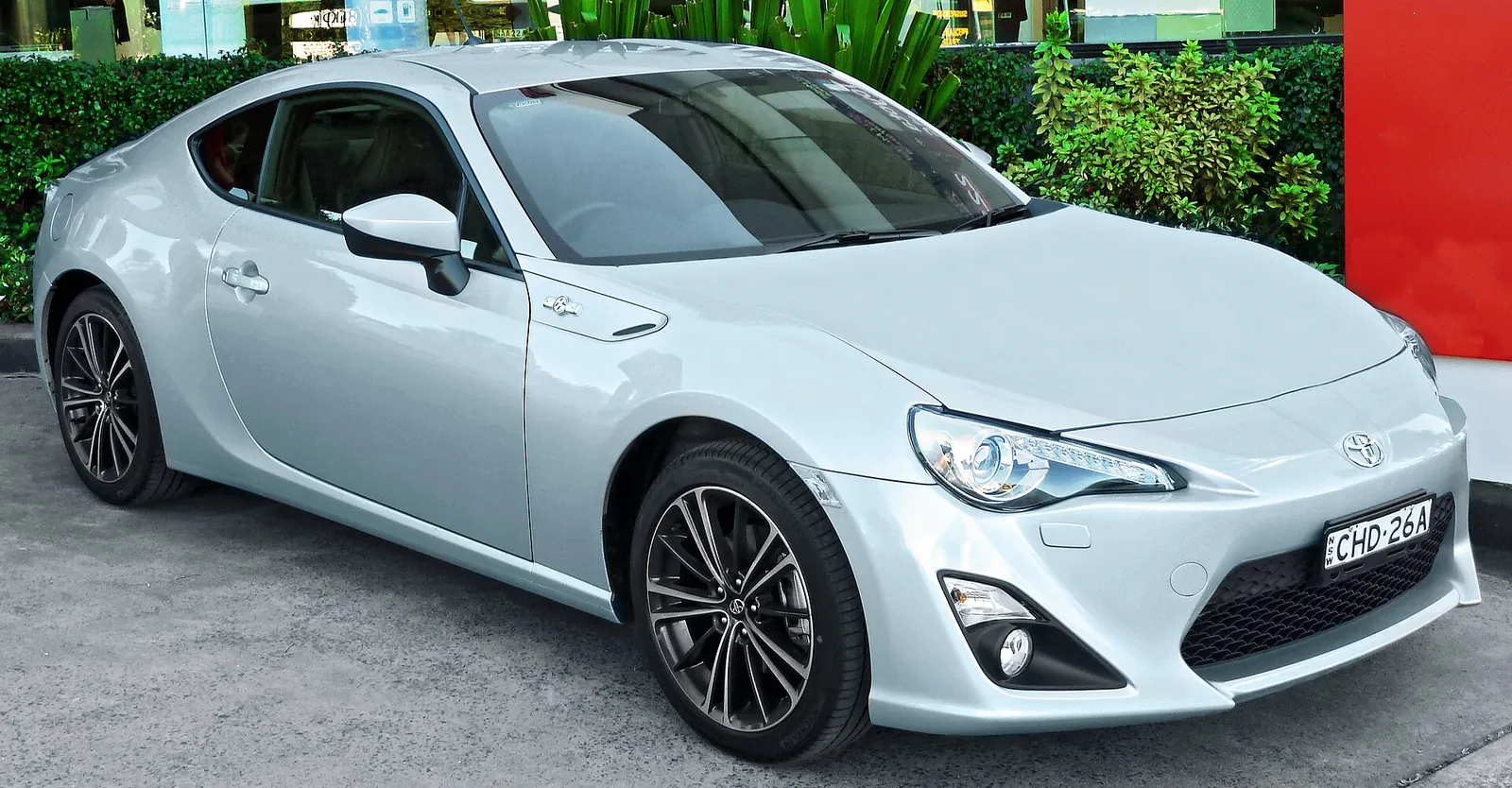
The November 2016 facelift is the one to want, if the budget stretches. Manual cars gained 5kW and 7Nm, to 152kW and 212Nm, with a shorter final drive, a stiffer rear end and a Track mode for the stability control. Automatics stayed at 147kW and 205Nm. LED lights and a new 4.2-inch display in the GTS came with it.
| Segment | Cars sampled | Asking range | Median ask | Median km |
|---|---|---|---|---|
| 86 2012 to 2016 manual | 31 | $14,990 to $28,000 | $20,990 | 128,000 |
| 86 2012 to 2016 auto | 7 | $19,500 to $27,888 | $22,500 | 124,000 |
| 86 2017 to 2021 manual | 10 | $24,990 to $33,000 | $28,939 | 102,945 |
| 86 2017 to 2021 auto | 4 | $23,950 to $33,990 | $27,990 | 110,940 |
| BRZ 2012 to 2016 | 8 | $17,999 to $29,990 | $20,495 | 143,968 |
Our analysis of 62 live listings on carsales and Gumtree, 27 October 2026 (one 11,000km outlier excluded). Asking prices, not sale prices.
Most cars for sale are 2013 and 2014 GTS manuals with 100,000 to 150,000km, and asking prices for those early cars run $4,000 to $6,000 above the private price guide on the government's How Safe Is Your Car site. That's your negotiating room. Facelift cars and automatics are scarcer, so expect less choice and firmer prices.
Toyota 86 or Subaru BRZ?
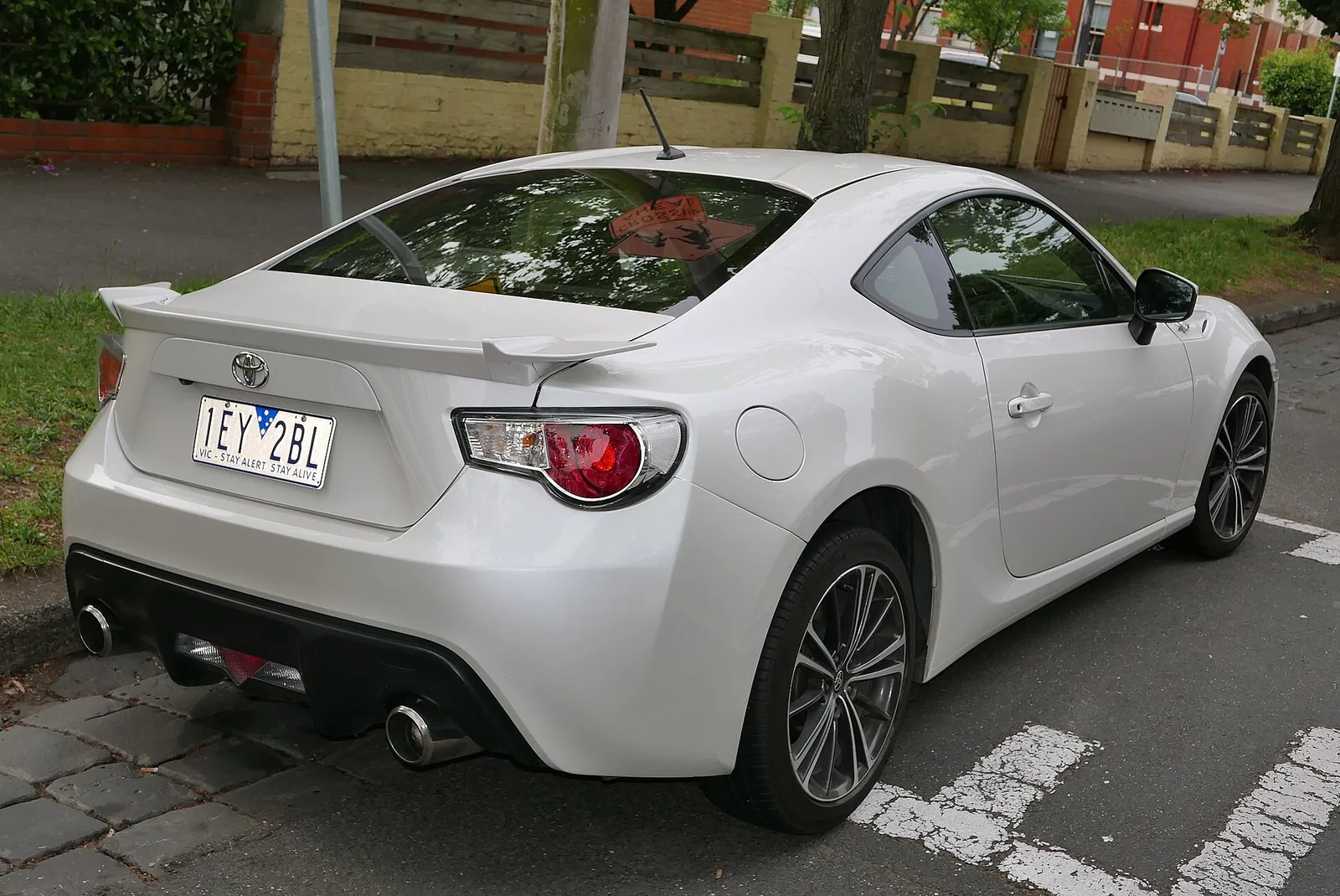
Mechanically, they're the same car, built by Subaru at Gunma in Japan with the same FA20 engine. The BRZ was a single, well-equipped spec at launch with a limited-slip diff on both gearboxes; the 86 GT auto missed out until September 2013. First-gen BRZs are rarer, and on our sample they ask about the same as an 86 with similar kilometres.
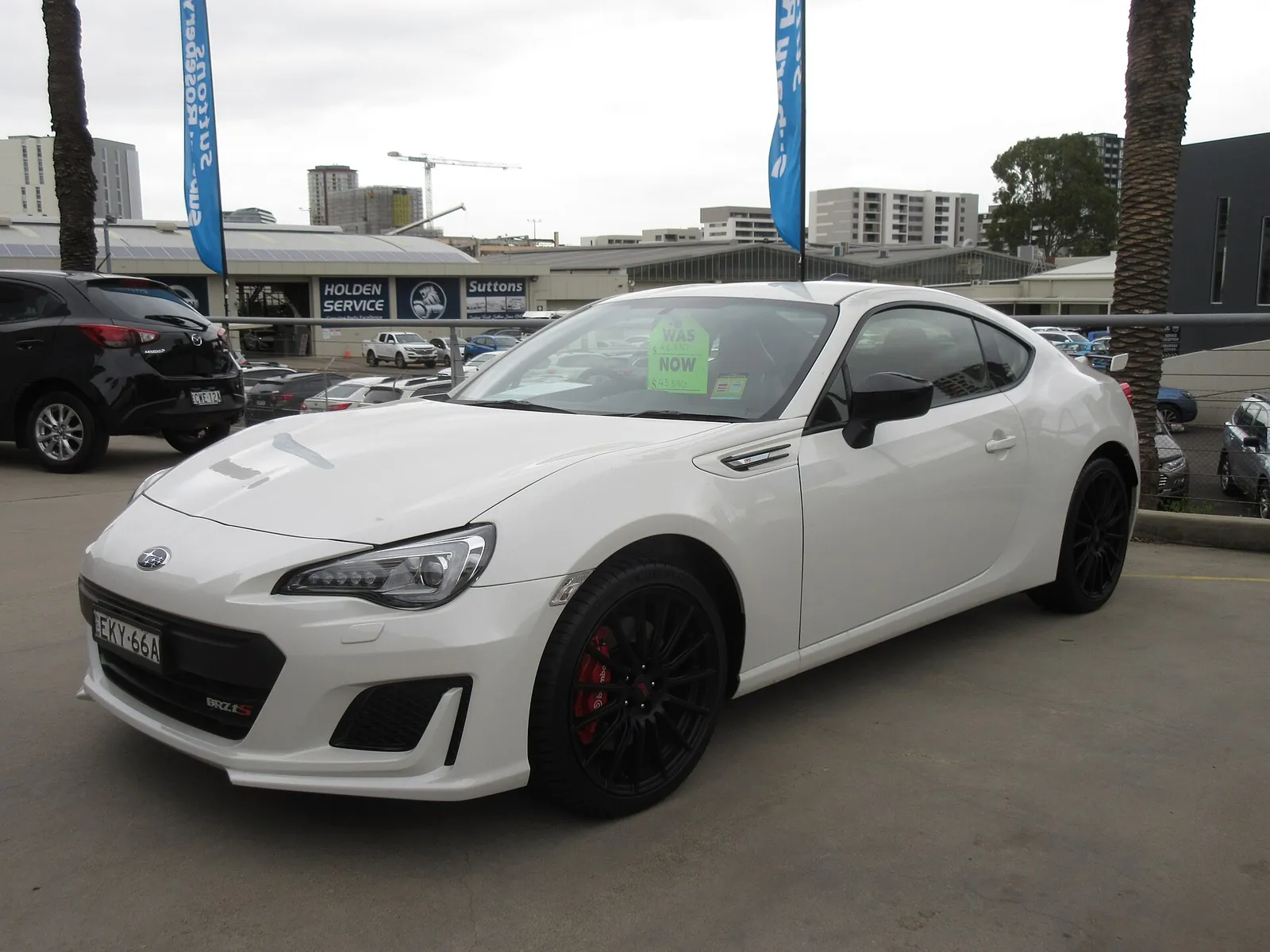
Special editions are worth knowing about but not worth chasing on a budget. Toyota built 450 Blackline Editions and 60 Limited Editions with Brembo brakes and Sachs dampers, and from December 2017 offered a performance kit with the same hardware. Subaru's BRZ tS from late 2017 had STI suspension and Brembos as standard.
The recalls to check before you pay
Three problems were recalled, and most affect early cars. Ask for proof each campaign was completed, or have a Toyota or Subaru dealer check the VIN. You can also look up each campaign at vehiclerecalls.gov.au. A valve spring failure, the most serious of them, can cause sudden power loss and an engine that won't restart.
| Problem | Toyota 86 | Subaru BRZ | Risk |
|---|---|---|---|
| Valve springs | PRA 2018/17140: built Apr 2012 to Jul 2013 | PRA 2018/17142: 2012 to 2013 | Sudden power loss, may not restart |
| Power steering harness | PRA 2016/15586: built Apr 2012 to Mar 2015 | PRA 2016/15585: MY13 to MY15 | Loss of steering assistance |
| Fuel pump | REC-001698: 2018 GT and GTS | REC-001697: 2018 to 2019 | Stalling, may not restart |
Source: vehiclerecalls.gov.au recall notices. We found no airbag recall for these models, but the database can't be searched exhaustively, so check the VIN.
How to spot a car that's been thrashed
The 86 was built to be driven hard, and plenty have been. That isn't automatically bad: a well-maintained car with a few track days is better than a neglected one that never left the suburbs. What matters is evidence, and these questions will tell you most of what you need.
Has it been modified?
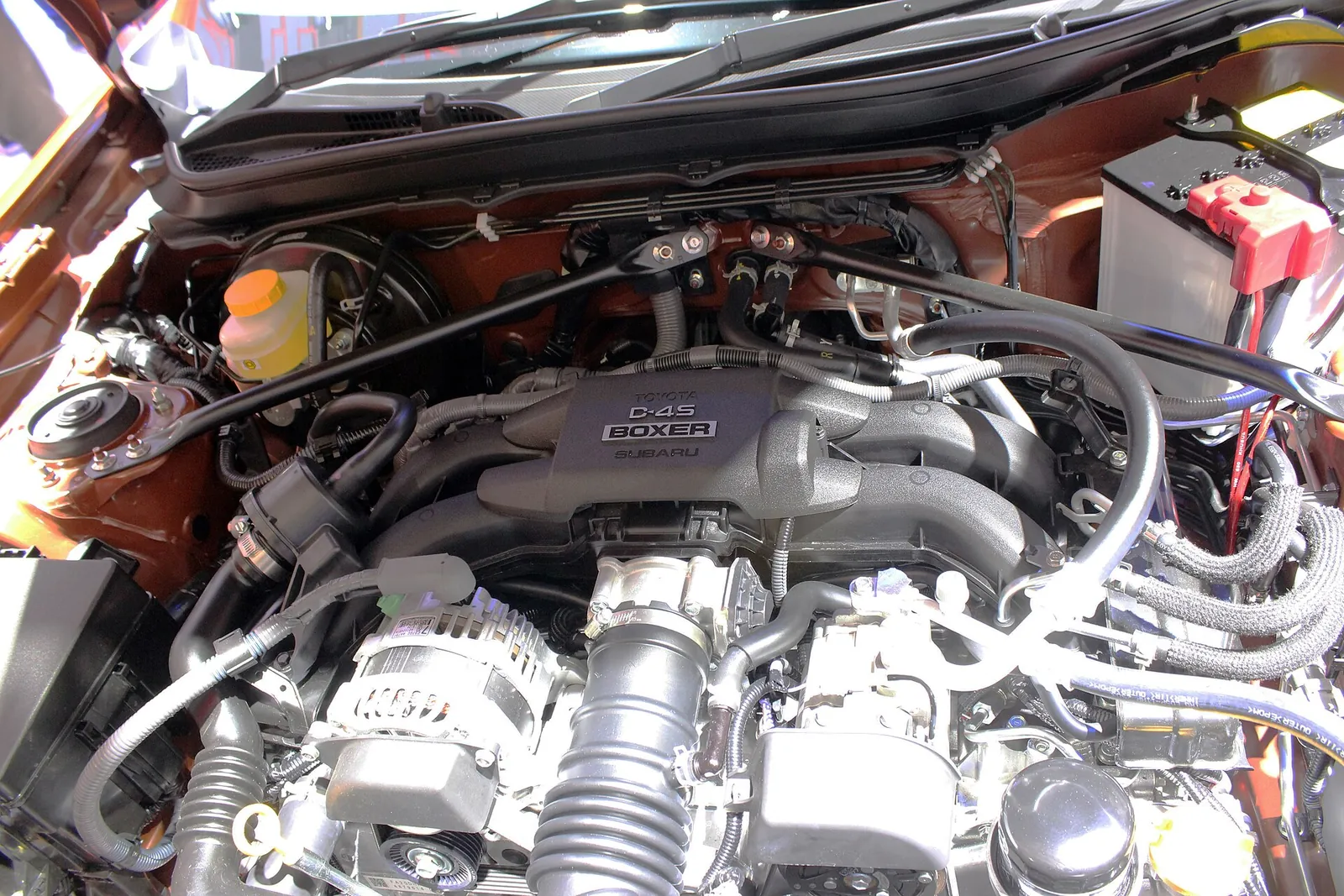
Look for aftermarket headers, intakes, a tune, coilovers, wider wheels and missing factory parts. Ask for receipts and any certification. Beyond the P-plate problem, modifications have to be disclosed to your insurer, and our hot hatch insurance guide shows why young drivers pay more. Lowered cars bring their own rules; see our coilovers vs lowering springs explainer.
Has it been on the track or the skid pan?
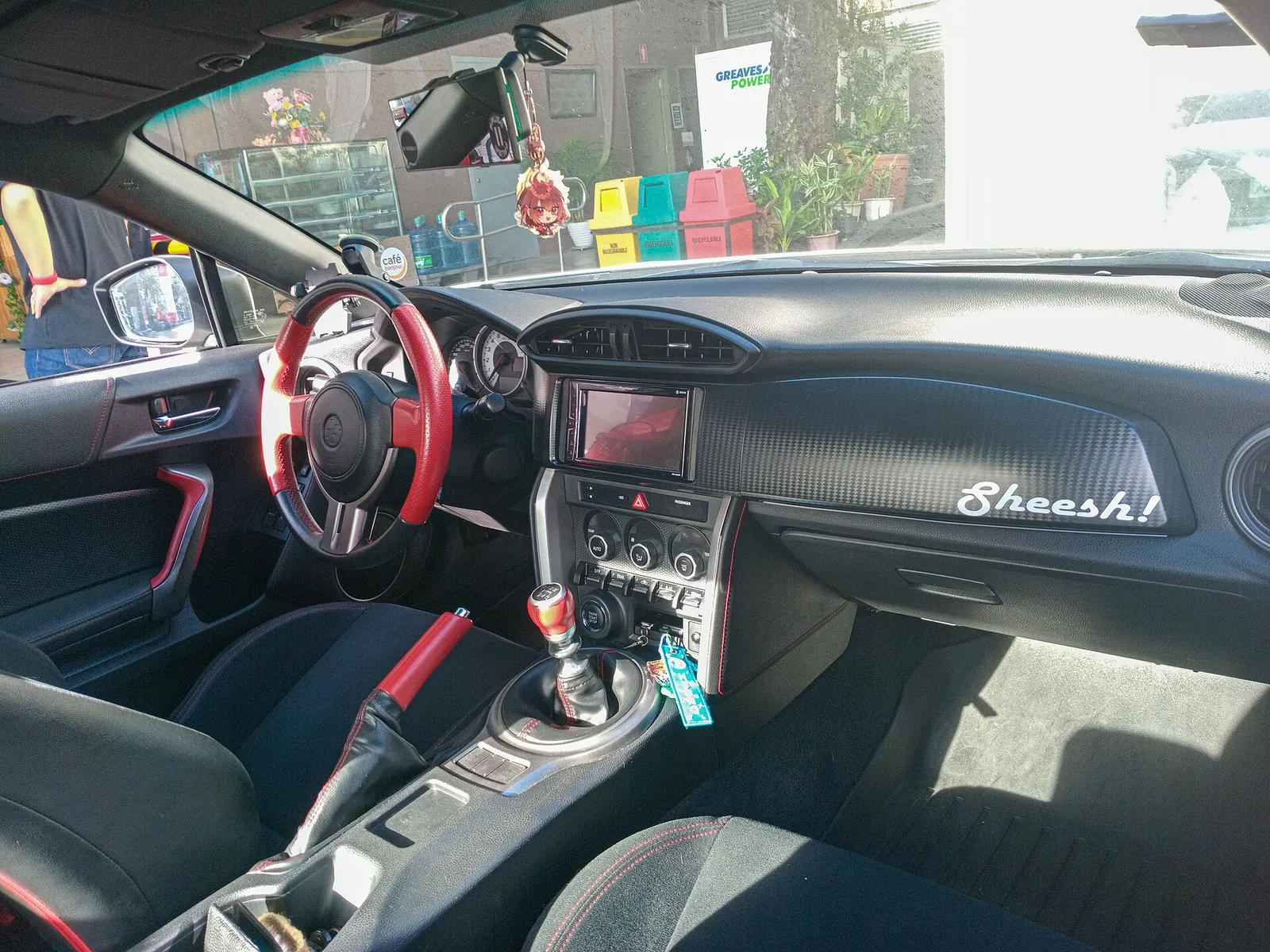
Rear tyres worn much more than the fronts, scuffed wheel lips, a cooked clutch and heat-faded brake fluid are all clues. Check for a tow-hook point that has been used, and for burnt-rubber marks in the rear arches. Drive it: the clutch should bite cleanly and the gearbox shouldn't crunch or pop out of gear.
Has it been written off?
Two 86s were listed as written-off cars at a major auction house this week, one statutory and one repairable. Run a PPSR search on the VIN before you pay. It shows written-off status, stolen status and money owing. A cheap 86 with a repaired write-off history is cheap for a reason.
Plug an OBD2 scanner in for stored codes too. Early cars had service bulletins for a ticking cylinder head, a high-pressure fuel pump chirp and cam sensor clearances, so a test drive from cold is worth more than a quick lap of the block.
Is a Toyota 86 a safe first car?
It's acceptable, not modern. The 86 earned a five-star ANCAP rating in 2012, and the Used Car Safety Rating, based on real-world crash data, is four stars: five for protecting the driver, three for avoiding crashes and three for protecting other road users. No version has autonomous emergency braking, the feature that matters most for new drivers.
So it's a fair first car for a young driver who wants a manual coupe and will look after it, and a poor one for a nervous driver who'd benefit from modern driver aids. Our safest first car guide lists alternatives with AEB, and the GR86 review covers the newer car for drivers off their Ps.
What does it cost to run?
More than a hatchback, less than most sports cars. Toyota specifies 98 RON premium. At 12,000km a year, a pre-facelift manual at its 7.8L/100km claim uses about $2,400 of 98 a year at late-October Perth prices, and a facelift manual at 8.4L/100km about $2,600. Our 91 vs 95 vs 98 guide explains why 91 isn't the saving it looks.
Servicing is every nine months or 15,000km, and capped-price servicing was $170 to $190 a visit when the cars were new. Out of warranty, a good independent workshop that knows the FA20 is the budget option. Budget for tyres, too: GTS models run 17-inch wheels, and enthusiastic drivers wear the rears quickly.
Which 86 should you buy?
- Best overall: an unmodified 2017 to 2021 86 GTS manual with service history, around $28,000.
- Best value: a 2014 to 2016 GTS manual under 130,000km, around $21,000 to $23,000, with all recalls done.
- For an auto driver: a GTS auto, or a GT auto built from late 2013, both of which have the limited-slip diff.
- Avoid: tuned cars without paperwork, repaired write-offs, and any 2012 to 2013 car without proof of the valve spring recall.
The first-gen 86 is the rare first car that teaches you to drive properly and stays legal while you do it. Buy a stock one with paperwork, and it'll do both. Buy someone's tuned project, and the P-plater you bought it for may not be allowed to drive it.
Header image: OSX, public domain, via Wikimedia Commons.


